EPISODE ONE
JERSEY STREET AGENT
(1978 – 1981)
The episode opens with Josephine Susan Kaufman, now 71, behind the wheel of a pickup truck. She’s headed down to Asbury Park, NJ. Everything about her is calm. But you look into her steely blue eyes and you see the command.
She turns into the neighborhood where her career as an undercover agent began. Her eyes are sharp. But she still blends into the scene.
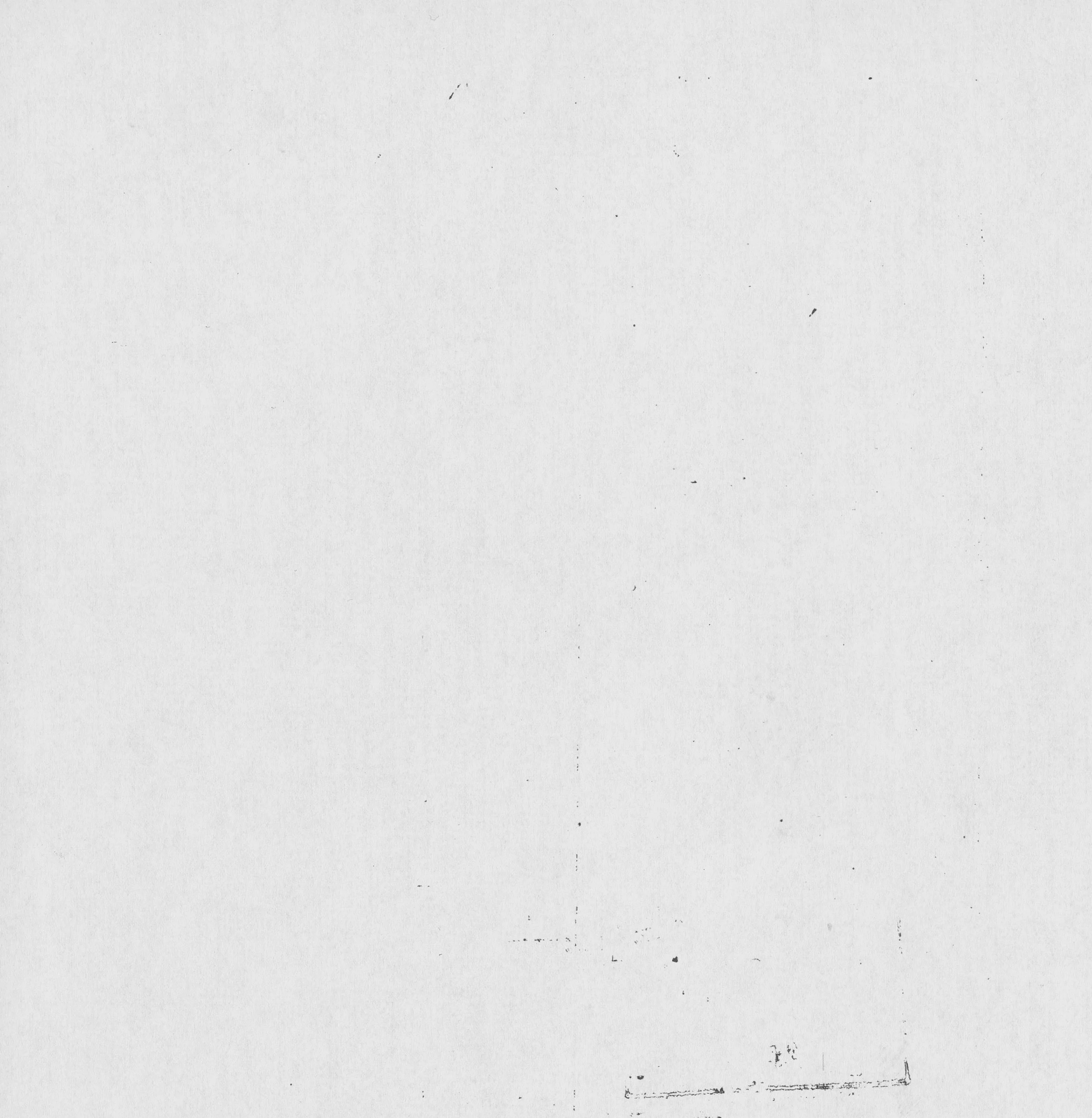
We cut to period footage of Asbury Park in the aftermath of the violent Race Riot in 1970. Seven days of looting and destruction. By the time Jo Sue arrived on the west side, the streets were burned out, blighted. Drugs were sold openly, and everyone was packing.
As a young female agent with the Bureau of Alcohol Tobacco and Firearms, Jo Sue (as she likes to be called) was in the vanguard. The ATF was the only agency who would hire her and was obscure to most Americans. But times were changing. Terrorist groups like the Weather Underground were proliferating. Cities were combat zones. Organized crime families were at war. And the traffic in illegal guns was out of control.
As Jo Sue would find out, the work of ATF agents was extremely dangerous, especially for undercover street agents. ATF agents had the highest rate of fatalities of any law enforcement service in the country.
When Jo Sue showed up at the office in Trenton, NJ they didn’t know what to do with her. One agent named Pat Hynes took notice. He was New Jersey’s Frank Serpico – long hair, jeans, drove a green sports car. Pat saw something in Jo Sue. He asked her if she was willing to pose as his girlfriend during a gun buy at a local record store? Jo Sue jumped at the chance. Inside the store the suspect put a gun on the counter and spun it around. Jo Sue’s knees began to shake. The adrenaline rush was intense. She was hooked. She was a street agent.
In time she used her street smarts to work up a major drug and gun buy case in Asbury Park. She met with Sgt. Gary Wheary, chief of undercover operations at the Asbury Park Police Department who didn’t want female officers on his streets. Jo Sue stood her ground. She was a federal officer and a local cop wasn’t going to push her round. Reluctantly, Wheary put her in touch with two informants; a pimp named Larry and his white girlfriend, Helen. Jo Sue became Helen’s cousin named Sue.
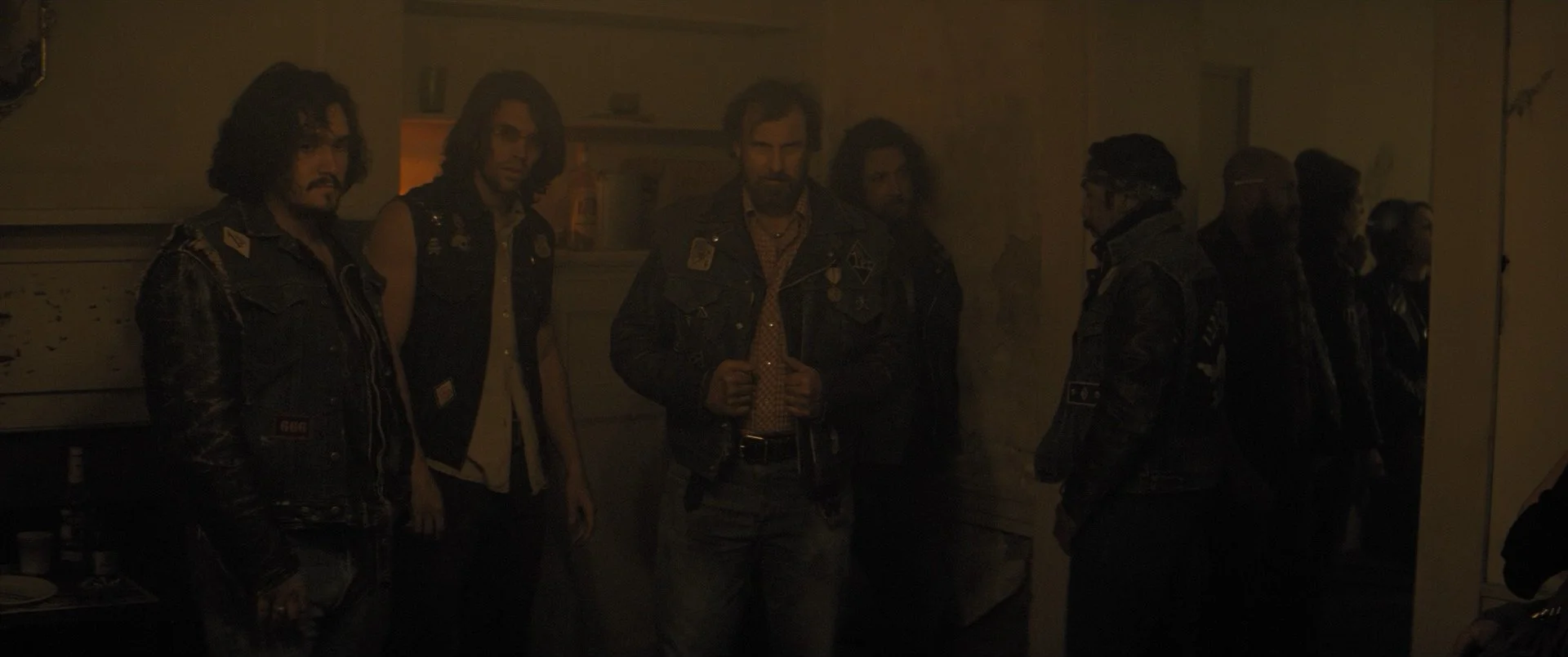
Undercover Sue hung out in cars, went to all-black dive bars and hard-core biker clubs. Always making notes about who was packing.
A woman buying guns in the late 70s? Crazy. The gun dealers thought she either wanted a gun to shoot a guy or she was some kind of radical like Patty Hearst. “Sue” just shrugged it off.
“Only one suspect asked me what I wanted a gun for. I said to him ‘I didn’t ask you where you got the gun. It’s none of your business what I want it for. Either you want the money, or not.’ He took the money.”
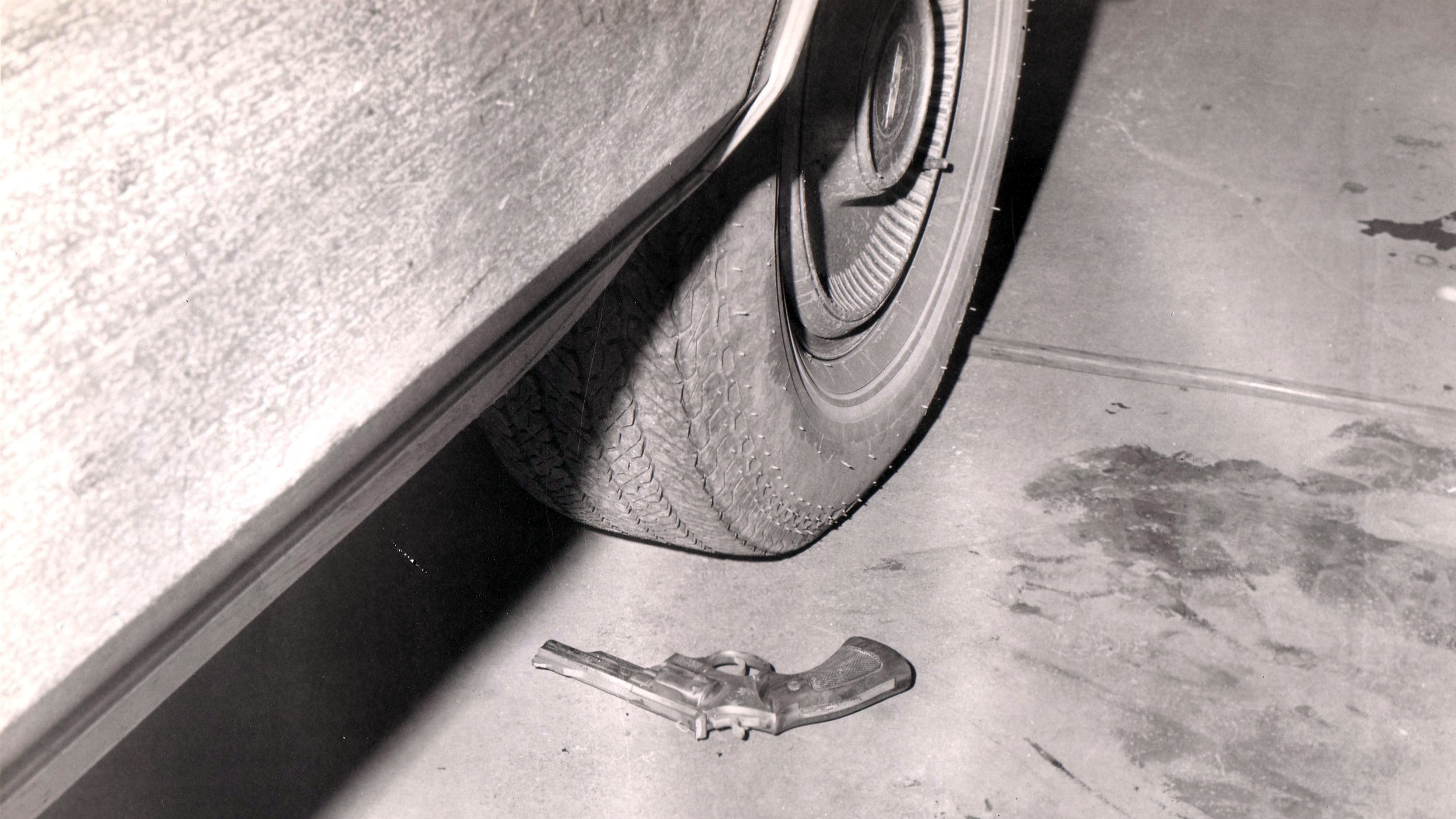
Undercover Sue bought a .22 from a druggie who loved to wave it in front of her face. She bought a loaded .9 millimeter from a drug dealer – ripping it out of his hands and yelling at him “here’s your money, now get the fuck out of my car.” The streets were tough. She had to be tougher.
It was a long way from her upbringing as a smart girl from a nice Jewish family. But Jo Sue was different. She tells us she was inspired by her suffragist grandmother who immigrated from Russia and who believed that “women can do anything.” Jo Sue was a good daughter, a tomboy – loved playing sports with her brothers. We hear how she fought for her independence and overcame overt sexism to break into the ranks of the law enforcement as a woman.
We then cut to a gripping dramatic recreation of a major drug raid led by Jo Sue. The scene is shot in the cinema verité style of the 1970s. Handheld, 16 mm, muted colors, scratchy audio, fluid, immediate.
Jo Sue is on the police radio. Nearly a hundred police officers are tracking down suspects, kicking in doors, seizing guns and marching them into central booking. Jo Sue is now in her ATF uniform, kicking in the door.
Outlaw Biker Tom, whose arrest warrant I was on, closed his fist then started to wind-up to punch me in the face but was quickly handcuffed before he could hit me. I thought to myself that a few of these people were my ‘friends’, some of them had protected me when I needed it on the street. I had betrayed them, but it was my job.
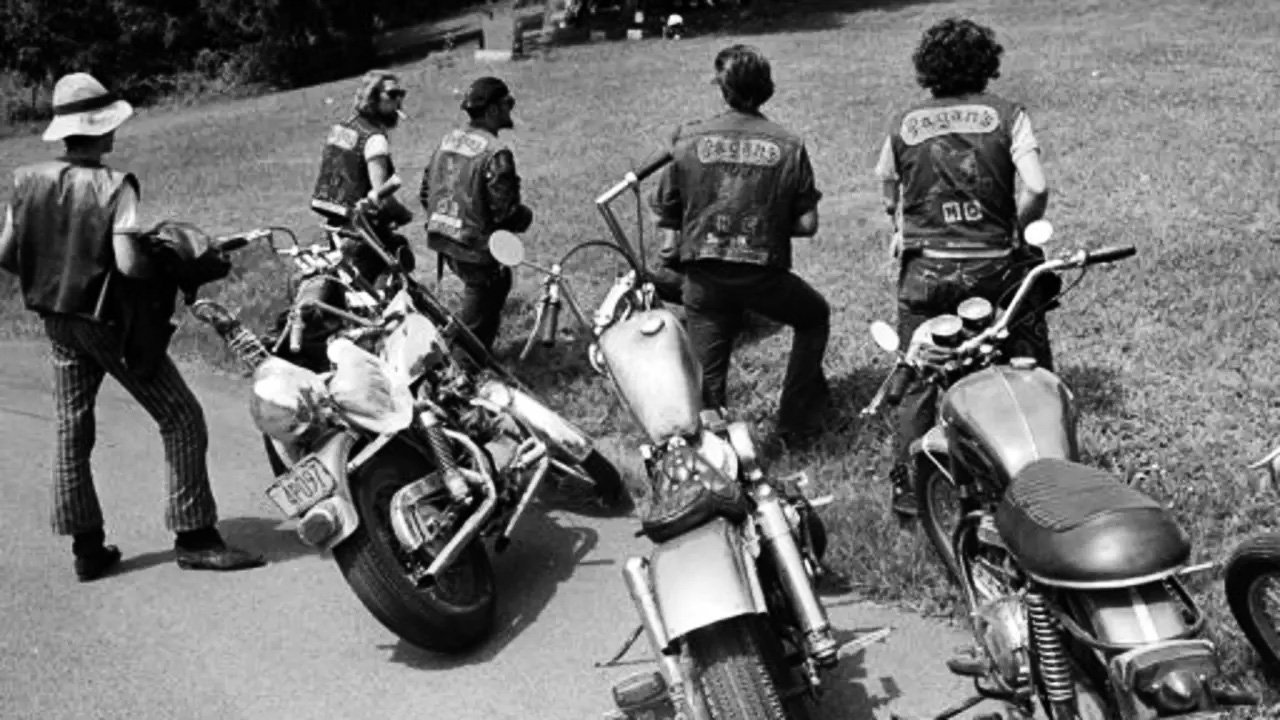
The Asbury Park bust was the largest in state history at the time. But Jo Sue’s superior officers took most of the credit. It didn’t matter much. She was earning her stripes the hard way. Her next wave of assignments would take her to Atlantic City and deeper into the shady world of speed freaks, corrupt union bosses, the Pagan Motorcycle Gang and the Philly mob.
EPISODE TWO
MAKING CASES: THE PAGANS AND MOB
(1980-82)

When Jo Sue Kaufman arrived in Atlantic City in 1980 it was a cauldron of vice. The city was crumbling. But after years of rot, the State of New Jersey passed legislation to legalize gambling in the once famous city. Millions of dollars in government money were pouring in and Governor Brendan Byrne stood on the boardwalk and warned the Philadelphia mafia to “keep their filthy hands out of Atlantic City.” Nicky Scarfo, the new head of the Philly mob could only laugh and say, “Doesn’t he know we’re already here?”
But Scarfo was facing opposition from two powerful (and corrupt) trade unions. Both the Bartenders and Waitresses Union (Local 54) and the Roofer’s Union (local 30) were determined to get a piece of the casino money.
By the spring of 1980 the ATF was hearing rumblings that Local 54 bosses put a contract out on the head of the Roofer’s Union, a man named John McCullough. In anticipation of a war, both unions were stashing guns and explosives. A squad of federal agents from the FBI and the DEA were swarming the city to get active intel but they stood out in their gray suits and sensible cop shoes. Jo Sue Kaufman volunteered to go undercover and gather background on the unions and scout for illegal weapons. It was a potential suicide mission. One false move and she would disappear like Jimmy Hoffa.
A little background. John McCullough’s assassination plot was featured in Martin Scorsese’s film The Irishman. McCullough was under the control of Philadelphia’s mafia don, Angelo Bruno (played by Harvey Keitel in the movie). When Bruno was killed by a shotgun blast to the head in 1980 McCullough was suddenly unprotected. And now he was foolishly boasting that he “didn’t need the Italians in Atlantic City.”
Bruno’s successor, Philip “Chicken Man” Testa tried to reason with McCullough. When McCullough ignored him, the Chicken Man ordered the hit. But he didn’t live long enough to see it happen: Testa was killed when a remote-controlled bomb exploded at his front door in South Philadelphia. It was a crazy time. The bombing sparked a violent mafia war within the family and led to the rise of the murderous Nicodemo “Little Nicky” Scarfo as new head of the family.
By the time Jo Sue Kaufman arrived in Atlantic City, Nicky Scarfo had McCullough in his sights.
Present day: Jo Sue takes us to the site of George’s Bar on Atlantic Avenue. This was the Roofers Union bar. Jo Sue tells us a federal agent put her in touch with a heroin-addicted prostitute-turned-informer who introduced her to the rough-looking contractors, union thugs and biker pals inside.
Jo Sue liked the place. She could talk the talk. She quickly started to make friends.
Jo Sue drives us past the Baltimore Bar & Grill. This was home to Local 54, the Bartender and Waitresses Union. It was a little classier. The bar was controlled by Nicky Scarfo. And here is where Jo Sue began to blend in. She spread the word that she was looking to buy a gun “to protect herself.”. She was ushered into a back room where a man sat behind a desk.
He told me he had just sold a .38-caliber handgun and might have another one soon. And then his phone rang, and he answered it. He stood up saying “Yes, Mr. Scarfo, no sir, Mr. Scarfo” and he motioned for us to leave.
Jo Sue was quickly fitted with a wire and started to gather details. Every minute her cover could be blown. She was constantly tested by the rank-and-file. They wanted her to break into a house and steal guns. She refused. Fights broke out in the bars all the time. She constantly worried about hiding the wire.
It was exhausting. But she worked both bars for the next couple of months, making friends with the bartenders and buying weapons in the increasingly tense city.
Then, a short while later John McCullough answered his doorbell. In a dramatic recreation we see McCullough open the door for a flower delivery man. McCullough waves the guy into the kitchen. The delivery man drops the flowers and pulls out a gun, shooting McCullough six times in the head, then flees in a rented van.
The delivery man was named Willard Moran Jr. He was a part-time bartender and Mafia hit man. Moran was hired by men loyal to Scarfo and the Bartender’s Union 54. Jo Sue would eventually learn that Moran was connected to a wide network of violent drug dealers in south Jersey.
After McCullough’s murder, it was too dangerous for any agent in Atlantic City. She was pulled from the job but never lost sight of the suspects she was following.
CONTINUES
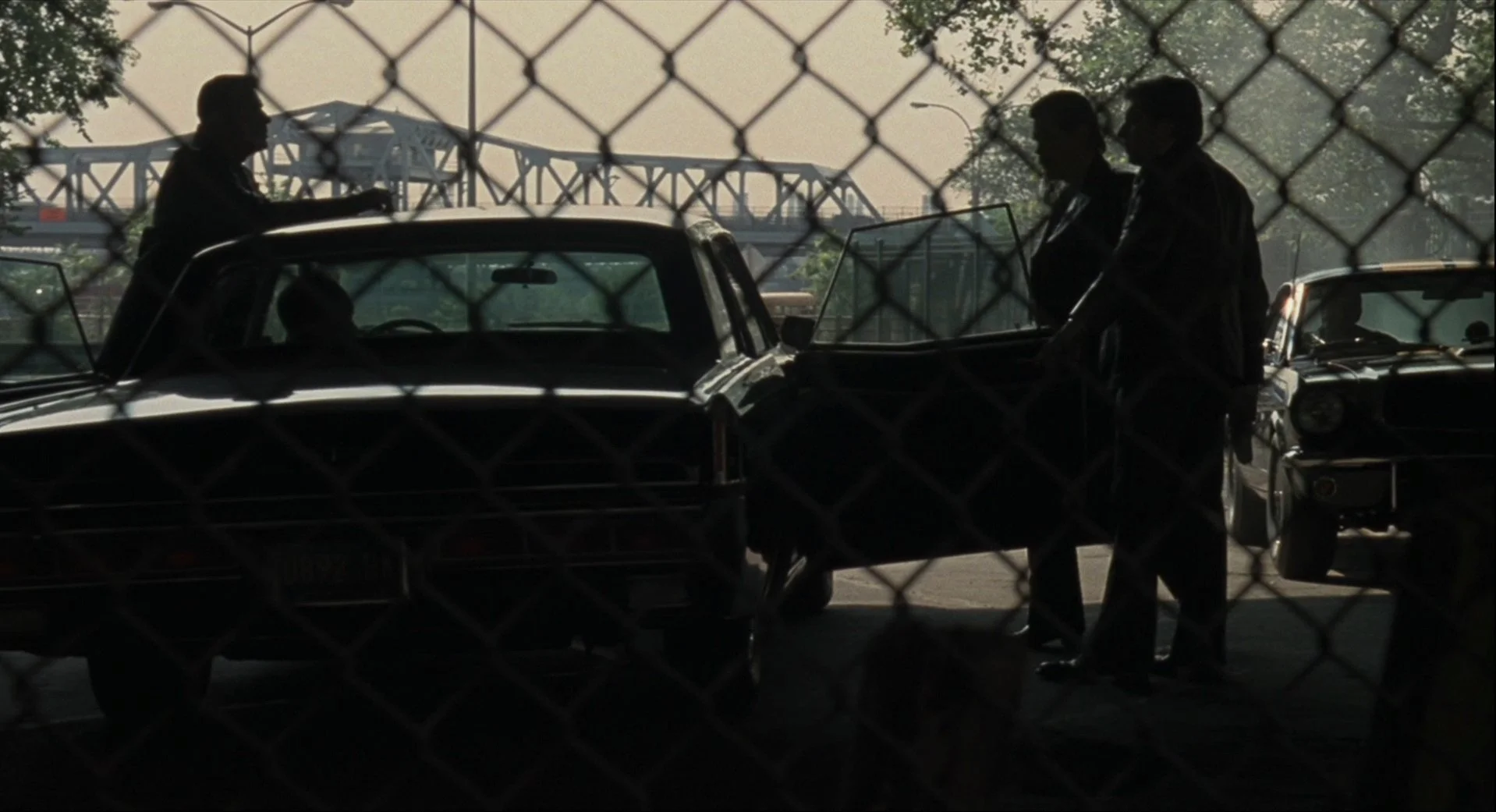
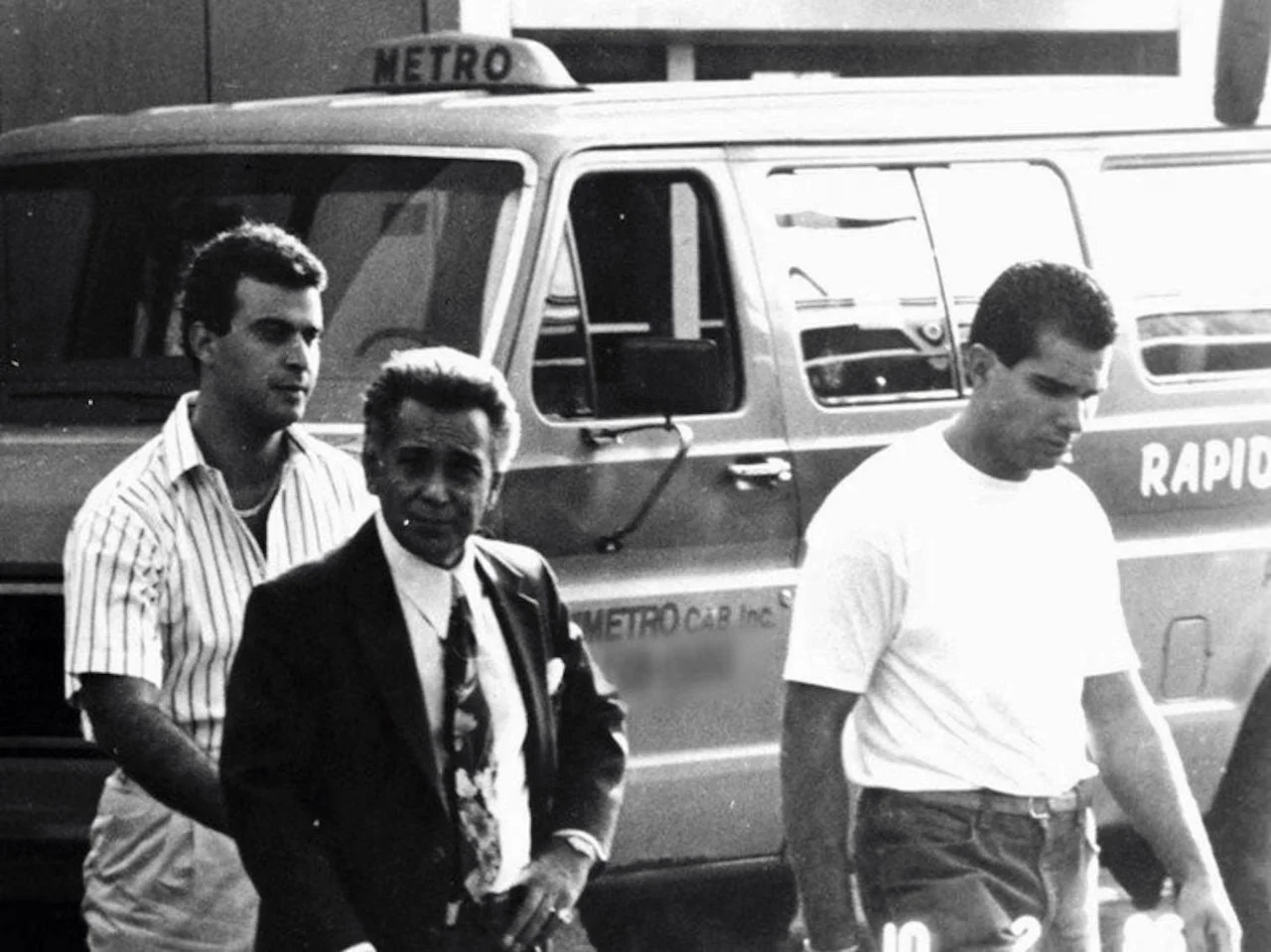
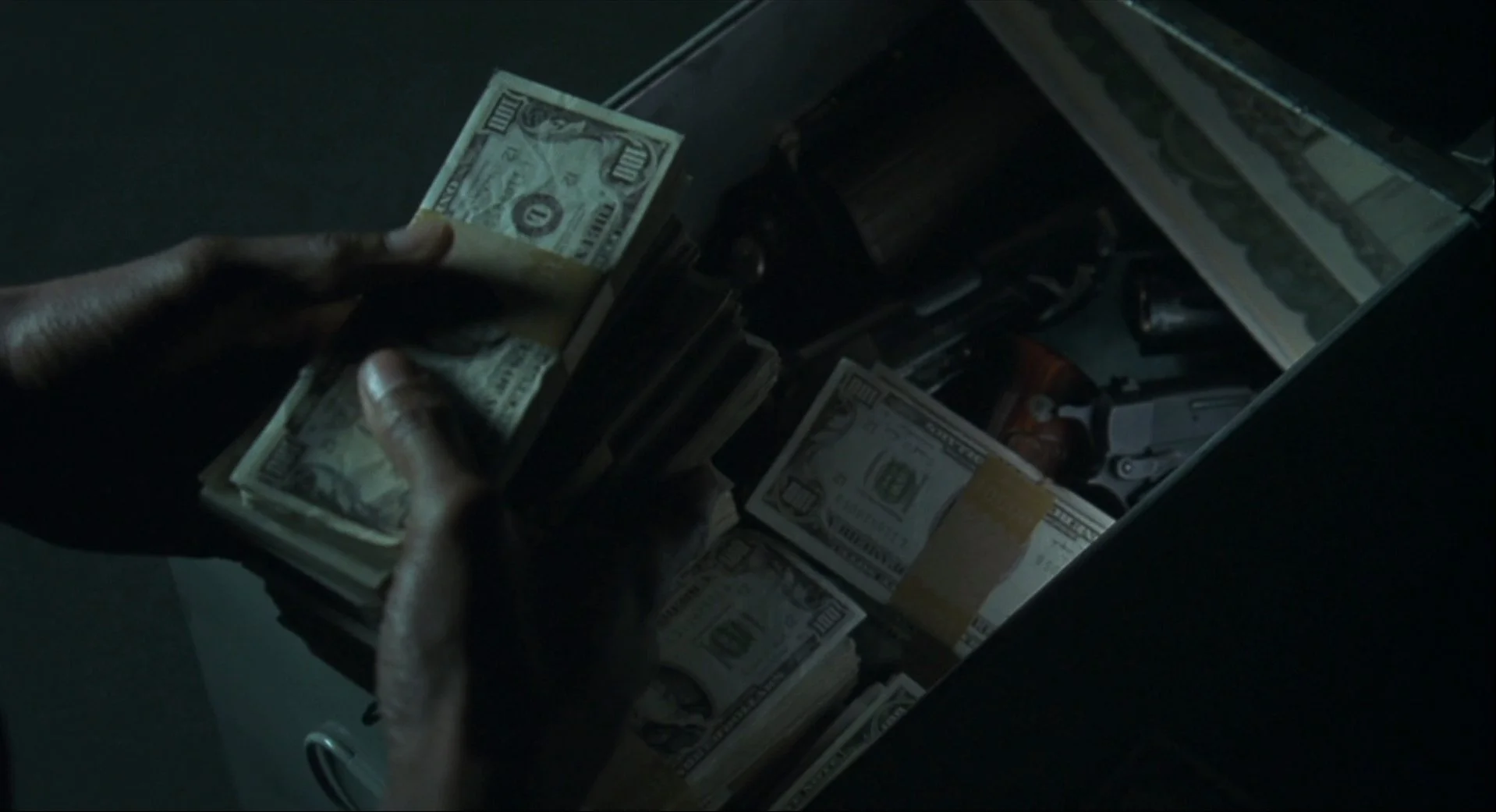
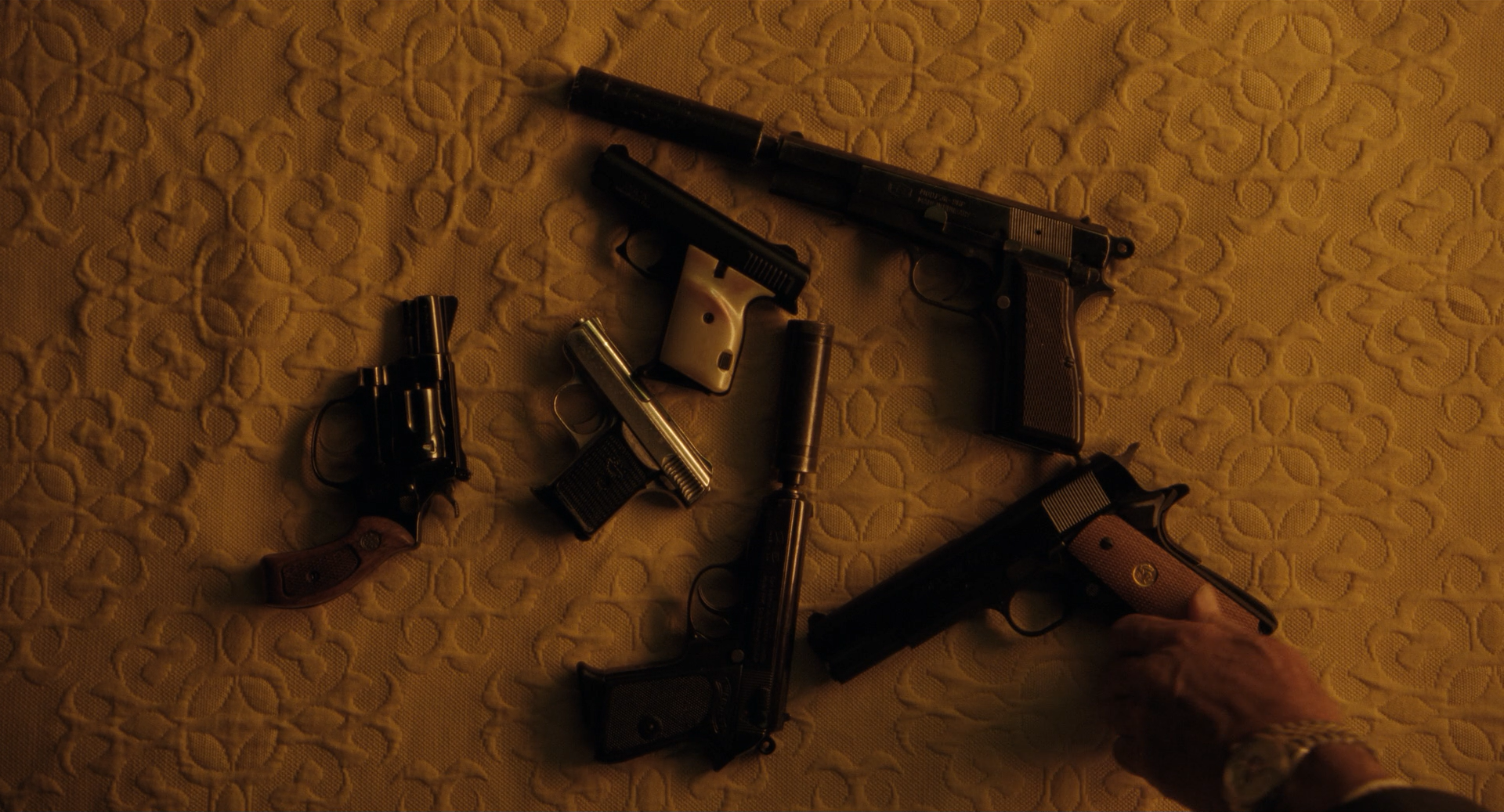
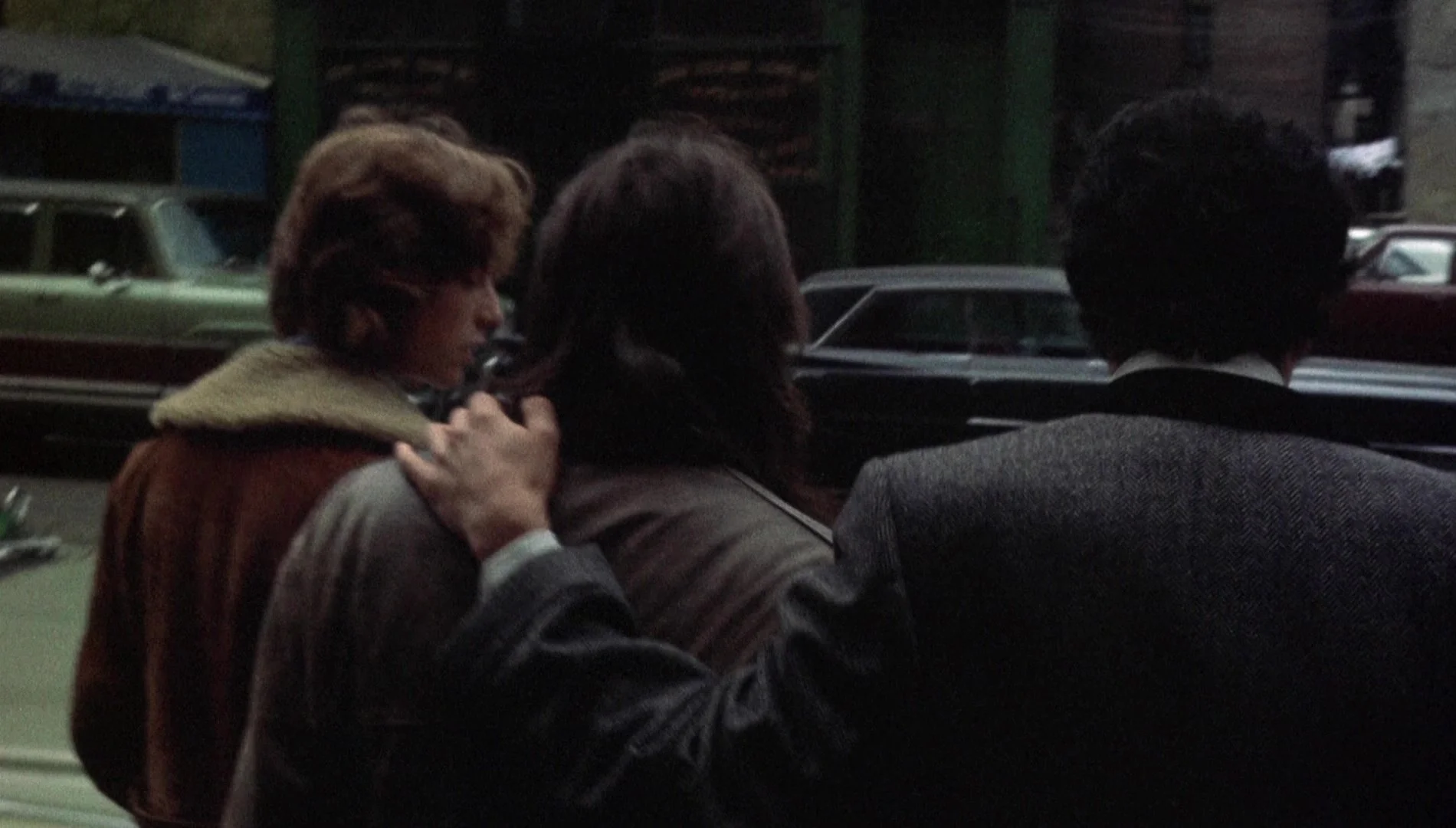

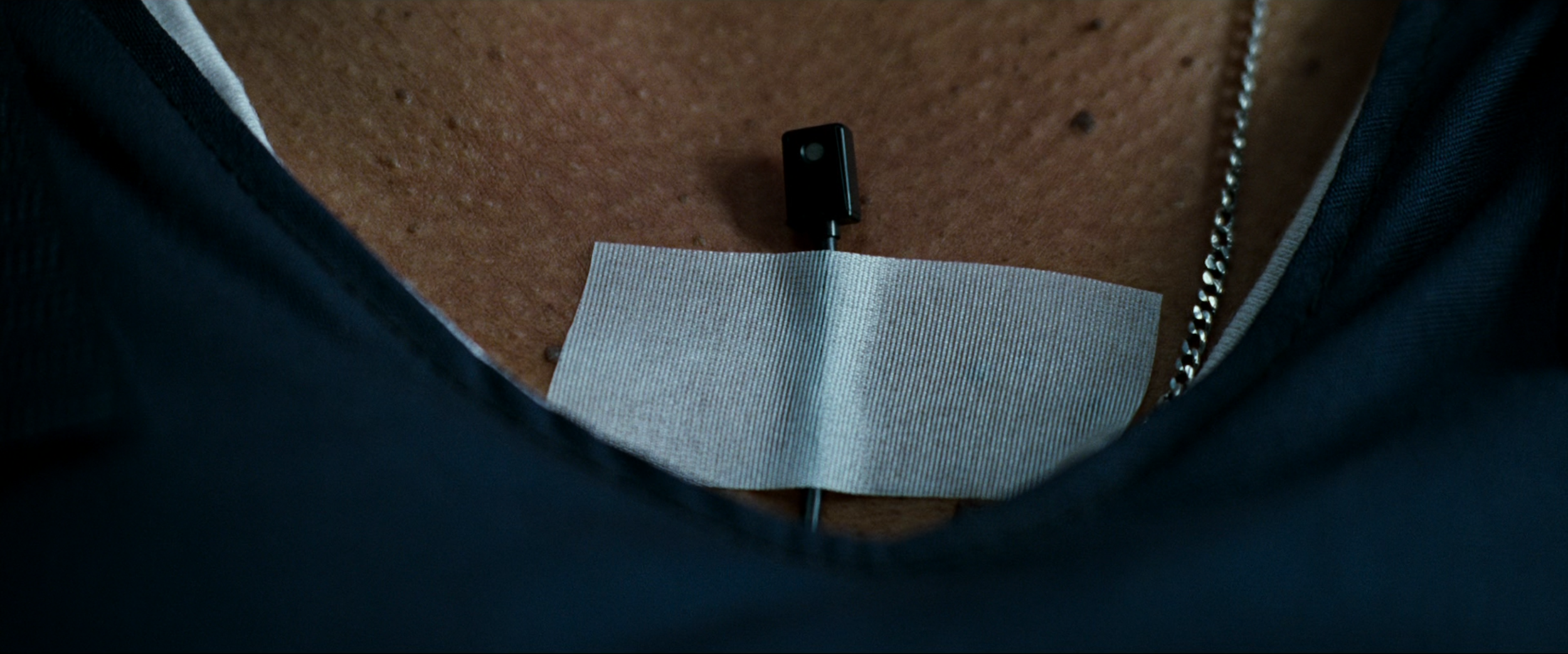
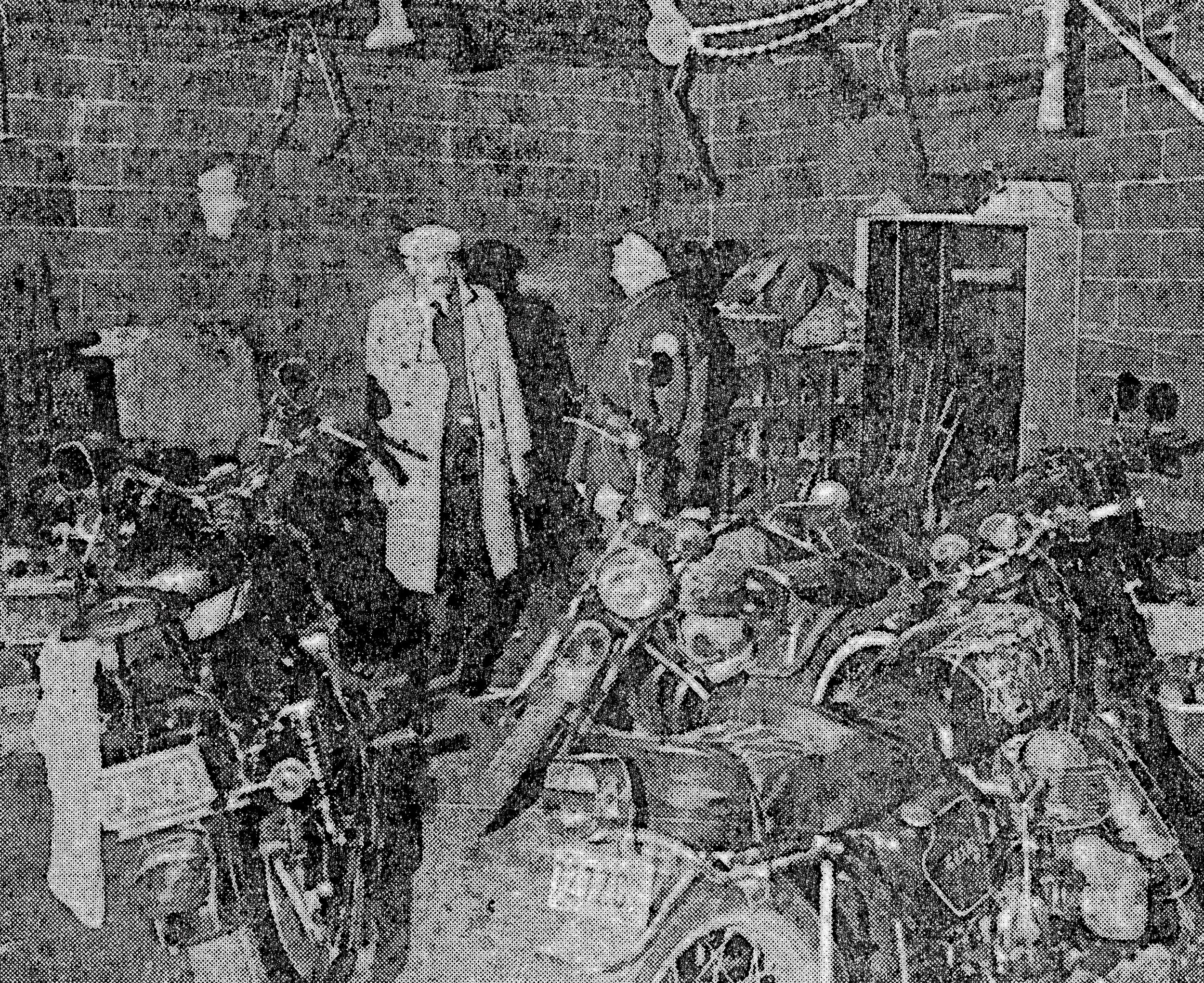
We cut to a dramatic recreation. It’s 1981. Fitted with a wire, Jo Sue is near Pine Hill, NJ, at the clubhouse of the Wheels of Soul, an outlaw motorcycle gang. She’s there to buy a sawed-off shotgun.
The clubhouse is filthy. Her suspect is a one-legged named Breeze. He sits on the floor polishing a hubcap. The shotgun sits on a shelf. Jo Sue asks to take a look and arranges to come back for the buy.
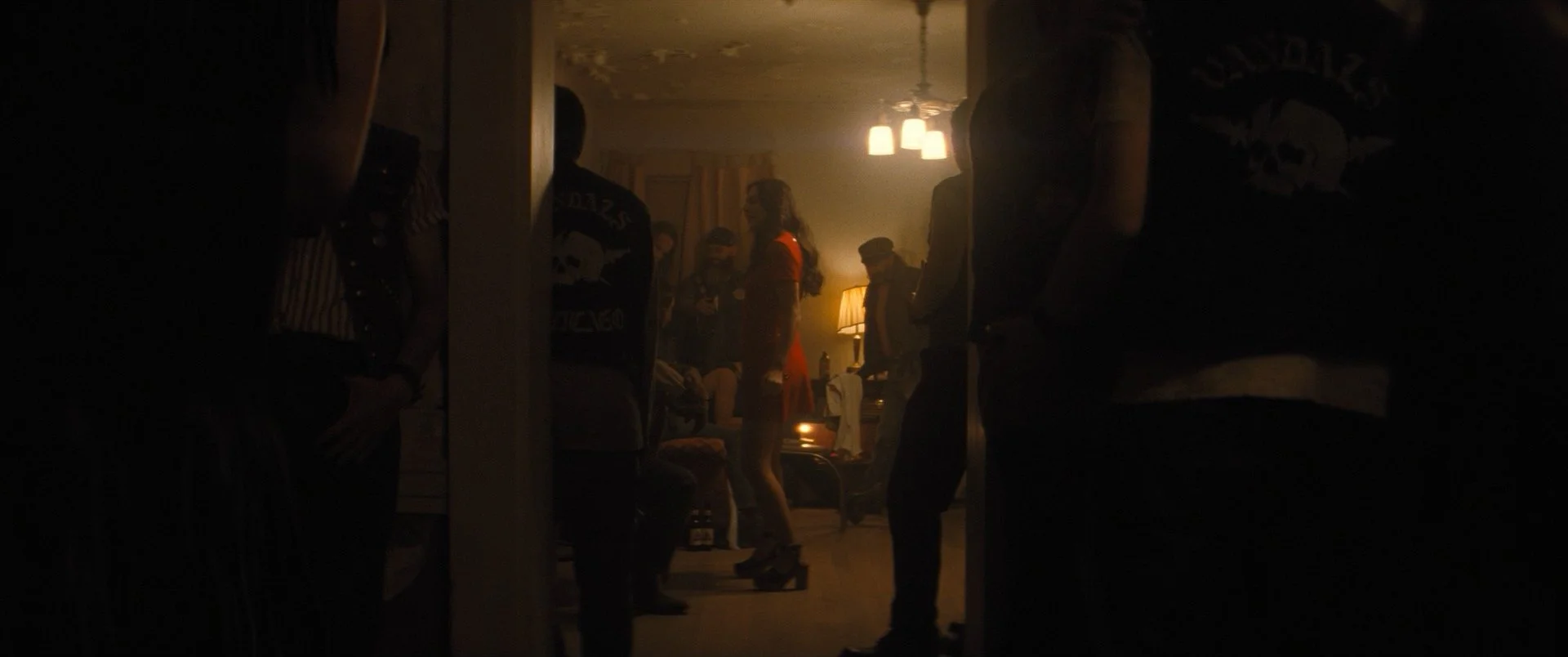
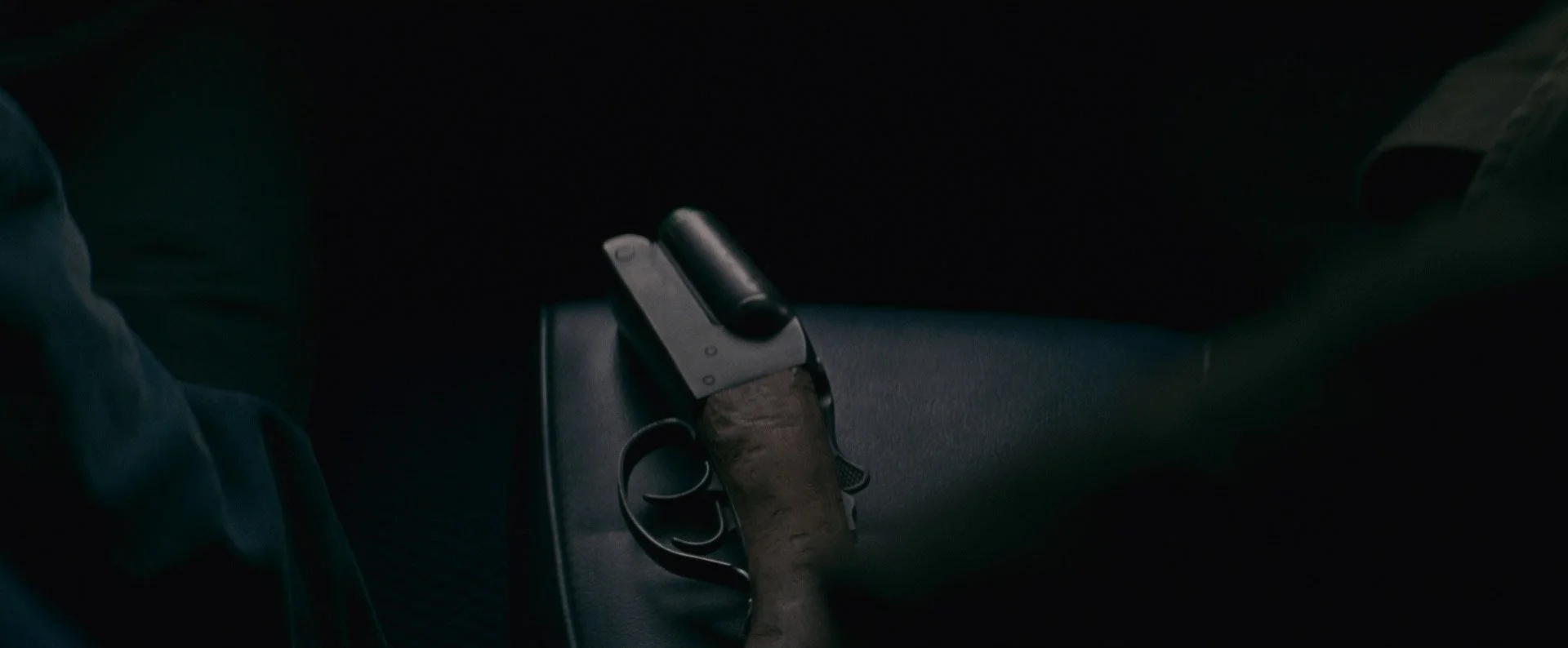
Next, Jo Sue is fitted with a wire and returns to the apartment. It’s crowded with bikers and biker chicks. Breeze scrambles up and pulls the shotgun down. Before she can react, Breeze cracks open the barrel, drops two shells into the chambers and points the gun at her face. Jo Sue slowly goes for her gun in her waistband and waits for her backup to kick in the door. But her wire is dead. She’s on her own. Someone locks the door. The room goes quiet. She is desperate to leave but now the door is blocked by two huge bikers. She’s trapped.
They just stared at me in their drugged stupor. I was waiting to feel the bullet rip through my back. I screamed at them, “open the fuckin’ door.” They did not move. Then one of the girls walked over, pushed them aside and said, “let the girl out” as she unlocked and opened the door.
Over the course of six months, Jo Sue went on a gun buying spree. Then luck intervened. An informant told her about a house where the people inside were dealing drugs and had a large cache of guns. They had ties to organized crime.
Armed with a Federal search warrant Jo Sue storms the house in the early AM and finds seven guns, a large amount of cocaine and methamphetamines. She arrests a local politician with mob ties to Nicky Scarfo and a man named Robert “Bobby” Oelenschlager, a low-level drug dealer.
We see Bobby sitting in the interrogation room. Jo Sue confronts him with the evidence and tells him what kind of time he is facing. Bobby breaks down and says he is willing to cooperate with Jo Sue. He tells other detectives that he overheard Willard Moran Jr. bragging about shooting John McCullough six times in the face.
Then Bobby tells Jo Sue about another house on Hickstown Road where the occupants made meth (20 pounds a month) and stored a lot more guns. She fits Bobby with a wire and sends him back inside. Parked outside, Jo Sue watches the flow of cars and begins to get an idea of who’s inside that house.
Suddenly she’s in deep and dangerous waters.
EPISODE THREE
THAT BIRD CAN SING
(1982-83)

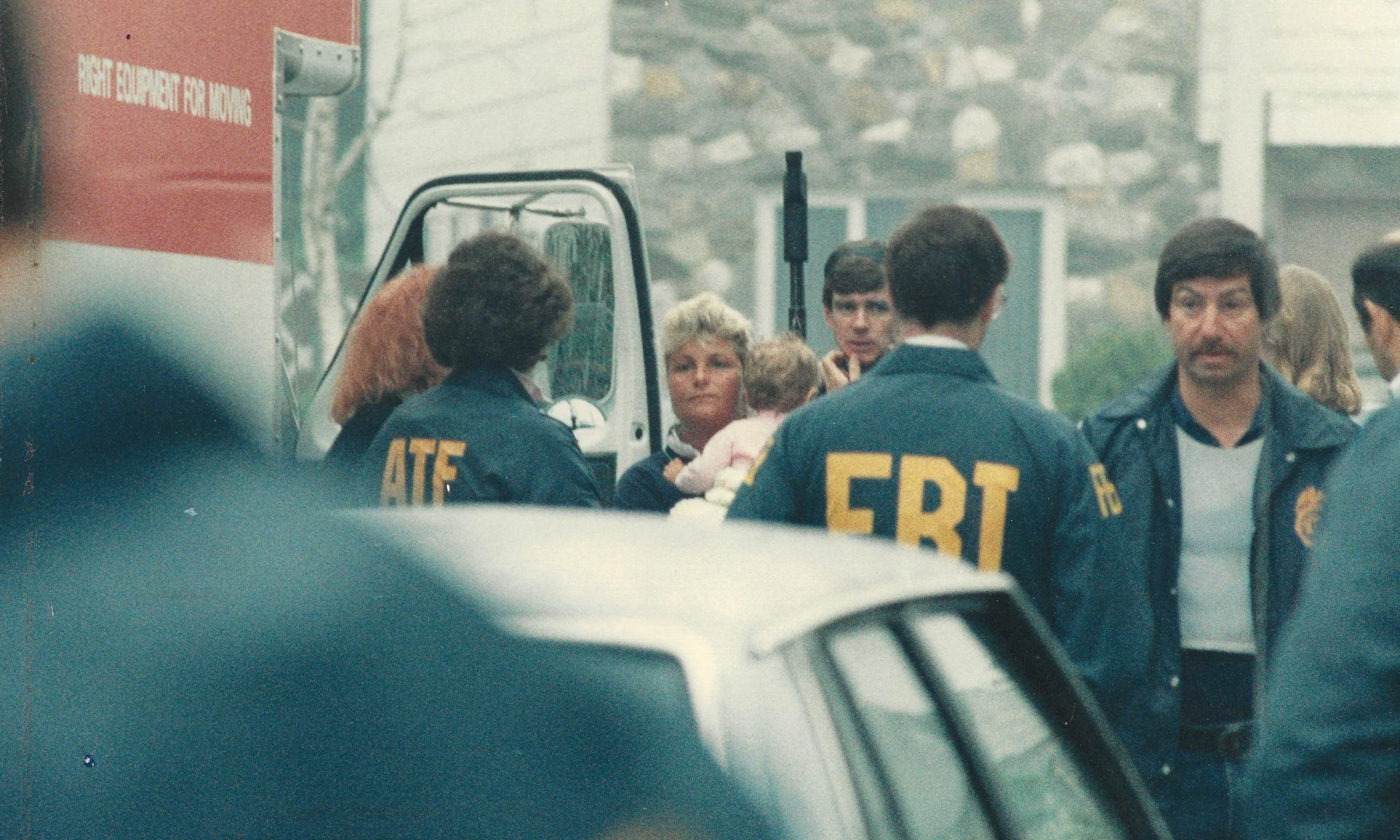
In an action-packed and gritty recreation, Jo Sue is in charge of the raid on the house on Hickstown Road. At 7:00 AM she and 14 other agents bang on the door of the house and break it down. People are screaming and running through the house. Inside Jo Sue finds a meth lab in the basement, 11 loaded guns, a sawed-off shotgun, a light Anti-Tank Weapon, two tear gas canisters and a hand grenade.
But it isn’t the guns that make this bust a watershed. It is who they arrested.
First, there was John “Mutley” DeFrank, leader of the South Jersey Pagans (and the muscle for the meth operation) and his girlfriend, Suzanne Carlucci. Next was Louis Giambi, the meth cooker for the Philadelphia mob. Finally, she arrested the boss of the whole operation, a man named Adam Coccia. He was a known Philadelphia mafia member with ties to Atlantic City. Jo Sue also busted Coccia’s wife, Alicia. Turns out Alicia’s sister was married to none-other than Willard Moran Jr – the man who assassinated John McCullough. Moran set Coccia up in the meth business.
Suddenly, from a relatively standard gun and drug raid the strands of all Jo Sue’s work had come together. The hit on John McCullough, the Pagans, the meth, the guns and most importantly, the Philly Mob.
Jo Sue hit the motherlode.
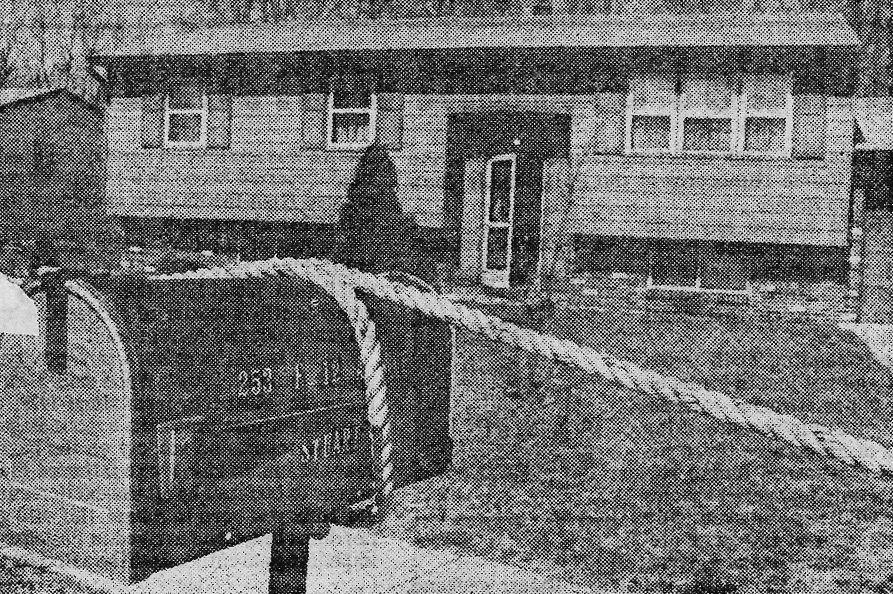
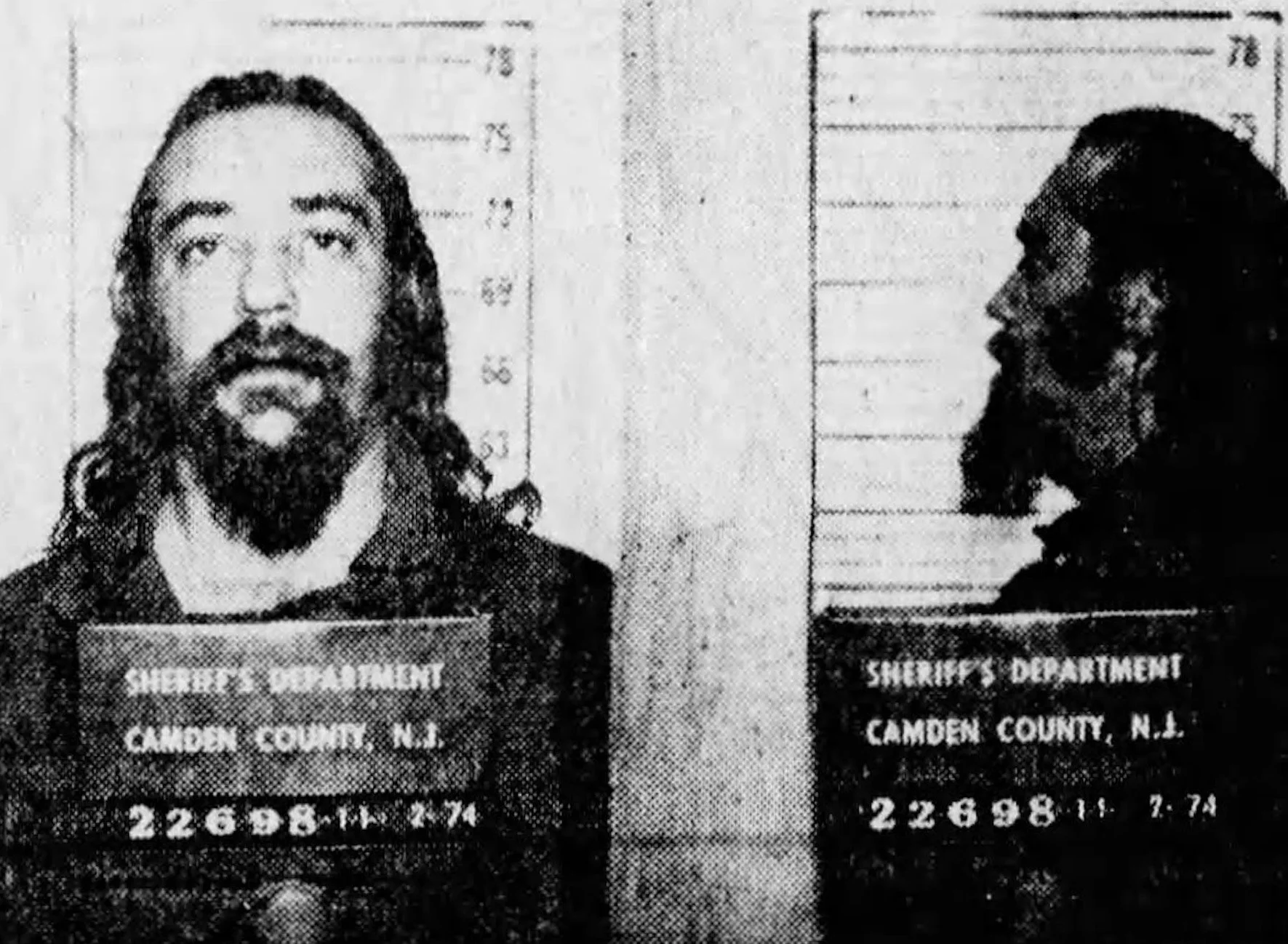
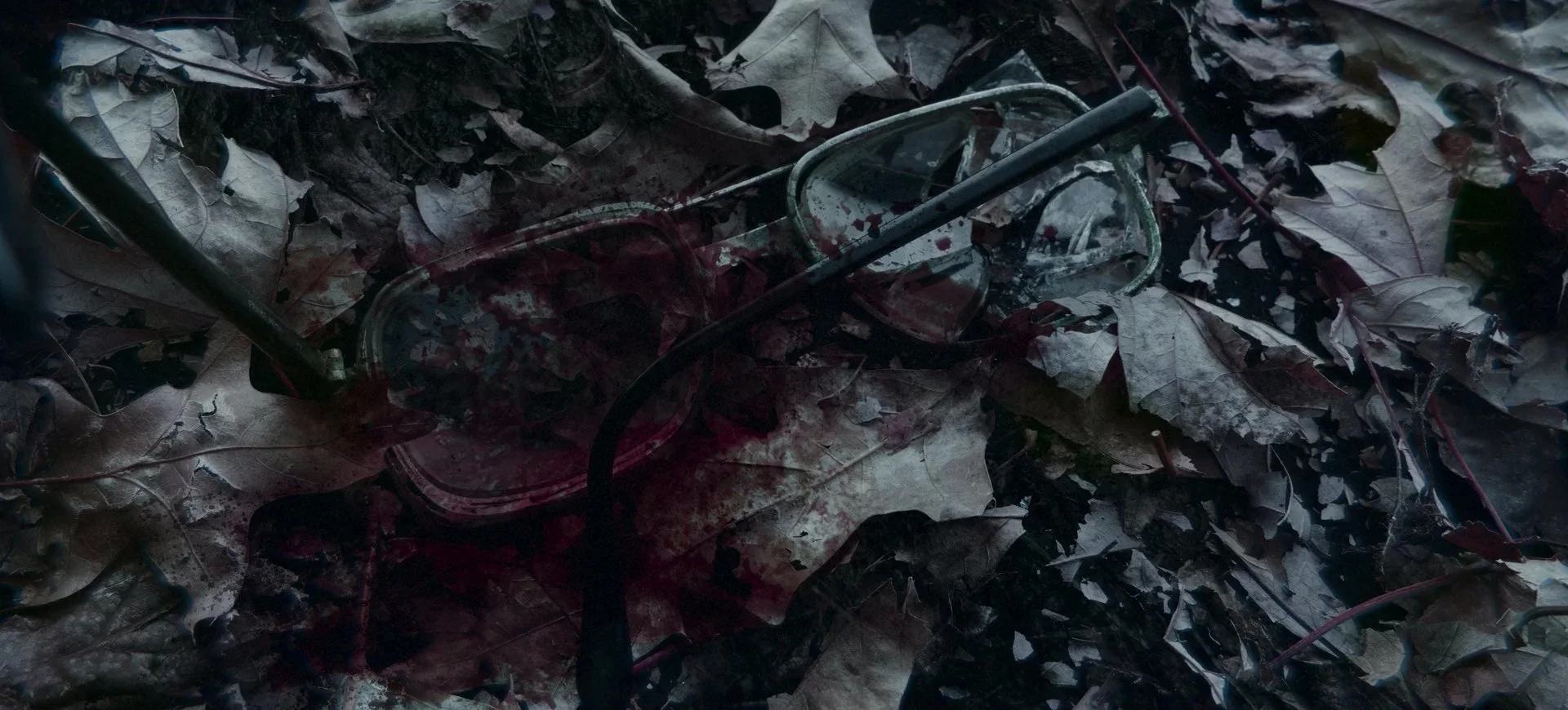
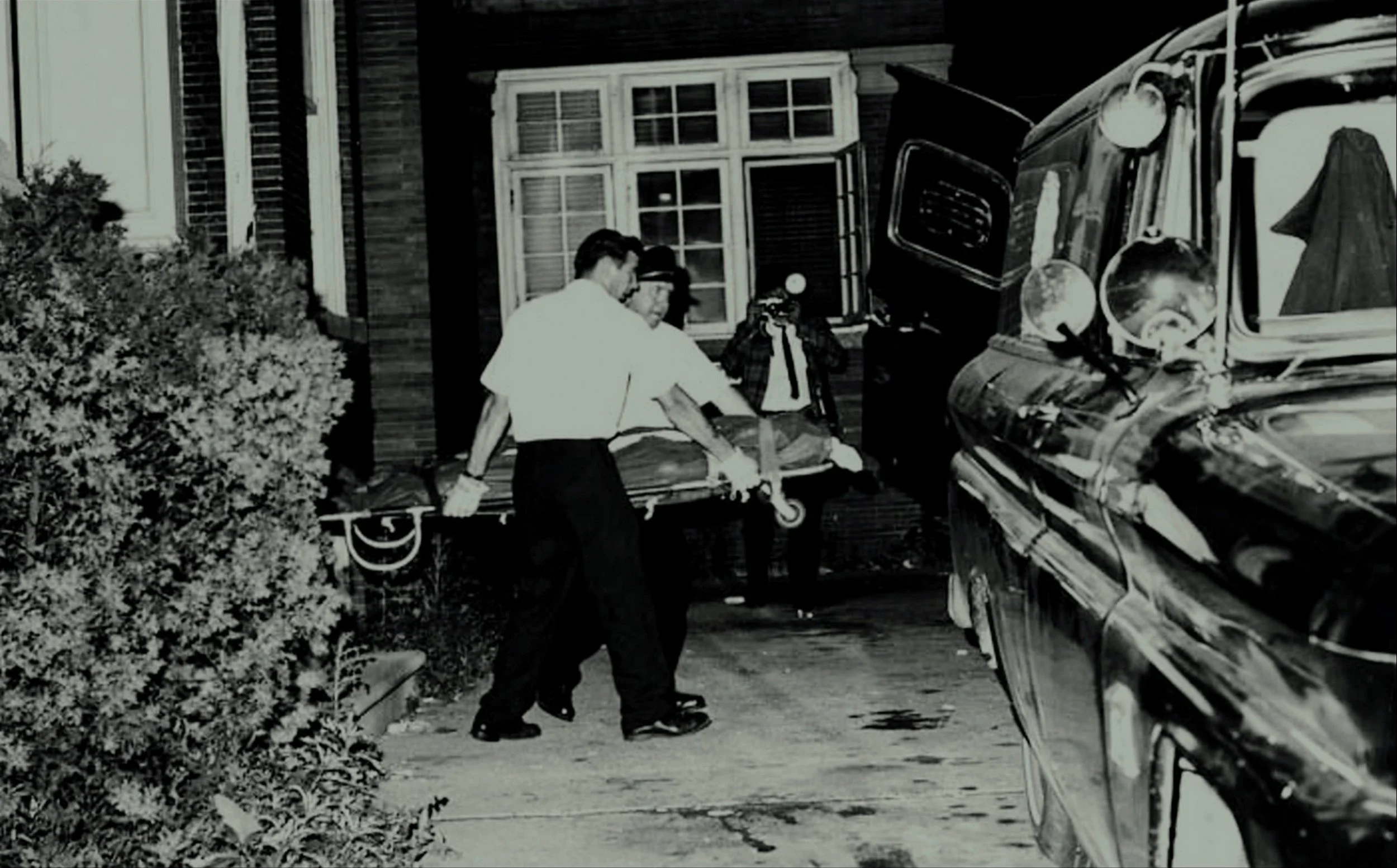
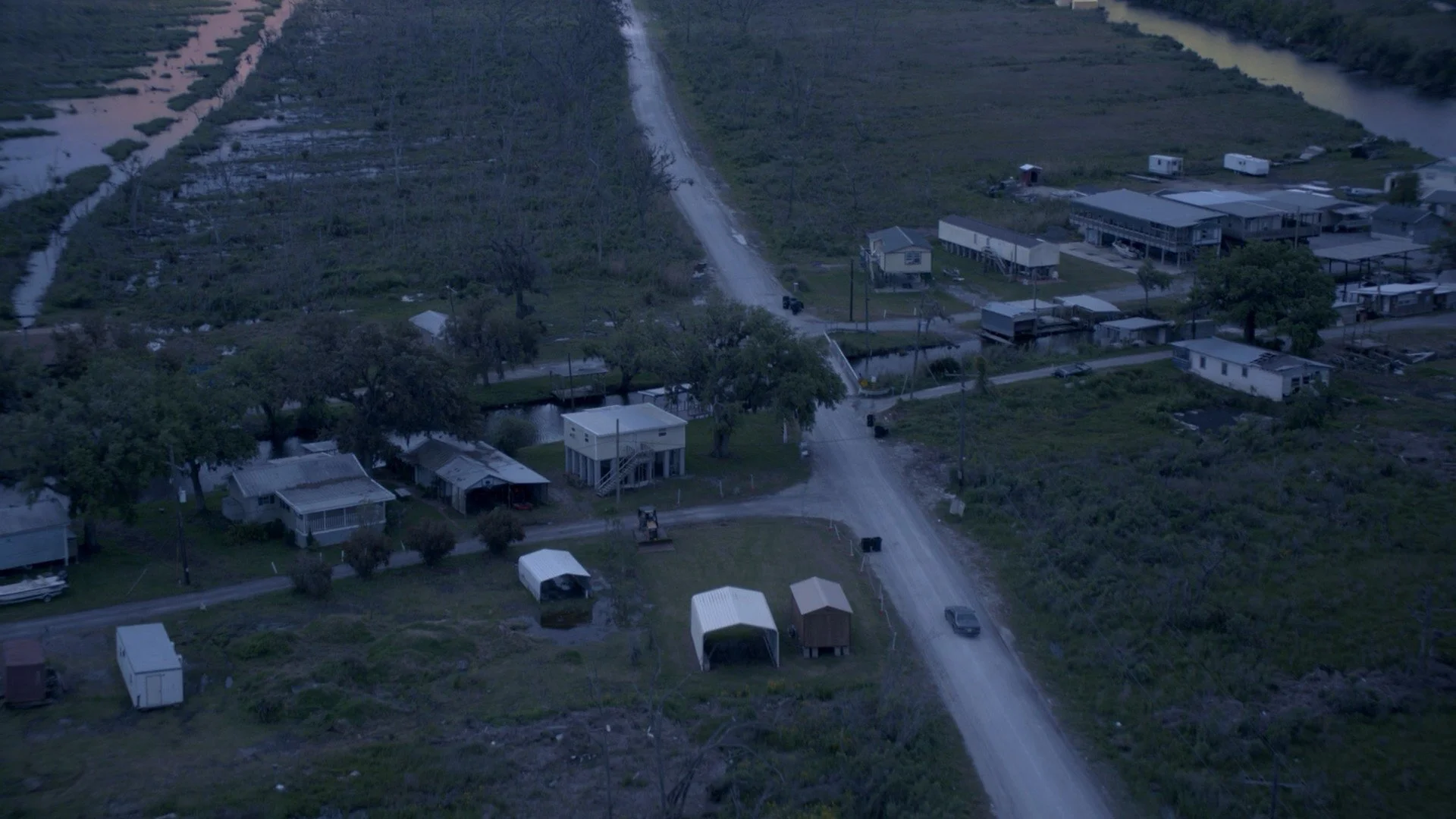
It was a violent time in New Jersey. In April 1982, in nearby Pine Hill, a shocking murder had taken place. Catherine and William Stuart were at home watching TV. Their young daughters were asleep upstairs. Suddenly there was a loud crash – a masked man had kicked in the back door and they were staring down the barrel of a .22 revolver with a silencer. The gunman shot Catherine and William and killed their three-year-old daughter Sandra – shot her in the mouth to stop her from crying. The man “with long stringy hair” never found the couple’s 5-year-old daughter who was hiding. The killer stole their car and abandoned it a few blocks away. A massive investigation was launched to find the killer. But after two years the Stuart murder investigation was going nowhere.
Back to the investigation. After the excitement of the bust, came the real work. The ATF honchos were not convinced Jo Sue could handle the case alone. So they partnered her with a former Marine and ATF super agent named Walt Wasylick. Walt knew this case would be meaningful to Jo Sue and her career. He agreed to help, but made it clear that Jo Sue would be in the lead. It was a huge vote of confidence for her and a turning point in her career.
After sorting through the charges Jo Sue started interviewing the suspects right away before word of the raid got back to the mob bosses back in Philadelphia. But the suspects weren’t talking. The ATF was getting nowhere.
Then Jo Sue got a call from one of the suspects. Alicia Coccia was out on bail. Could they meet at a local diner? In a tense recreation we see Jo Sue seated by the diner’s window. Alicia is 10 minutes late. All of sudden the other customers turn their heads. Jo Sue turns and sees what’s happening:
The waiters almost dropped their trays of food. She was a young woman in her mid-twenties. She had a perfect figure standing about 5’9” tall on top of pencil thin high heels. Her hair was perfectly coiffed and her make-up was applied without a flaw, even her bright red lipstick. As she ‘wiggled- walked’ to my table in her tight, short skirt and tight blouse everyone stared at her in awe, even the women. When she sat down at my table I felt like an underachiever in my black business skirt and jacket.
Alicia said “I can’t give you any information. I think that I’m being followed.” I said, “I didn’t ask you for any information but if I did, what would you tell me?”
Jo Sue talked Alicia into being an informant and Alicia knew a lot of details. She said she was in the room with Scarfo’s lieutenants when they planned the hit on John McCullough. And she was willing to testify against the others swept up in the raid. She knew more but wasn’t going to talk until she was placed in witness protection.
CONTINUES
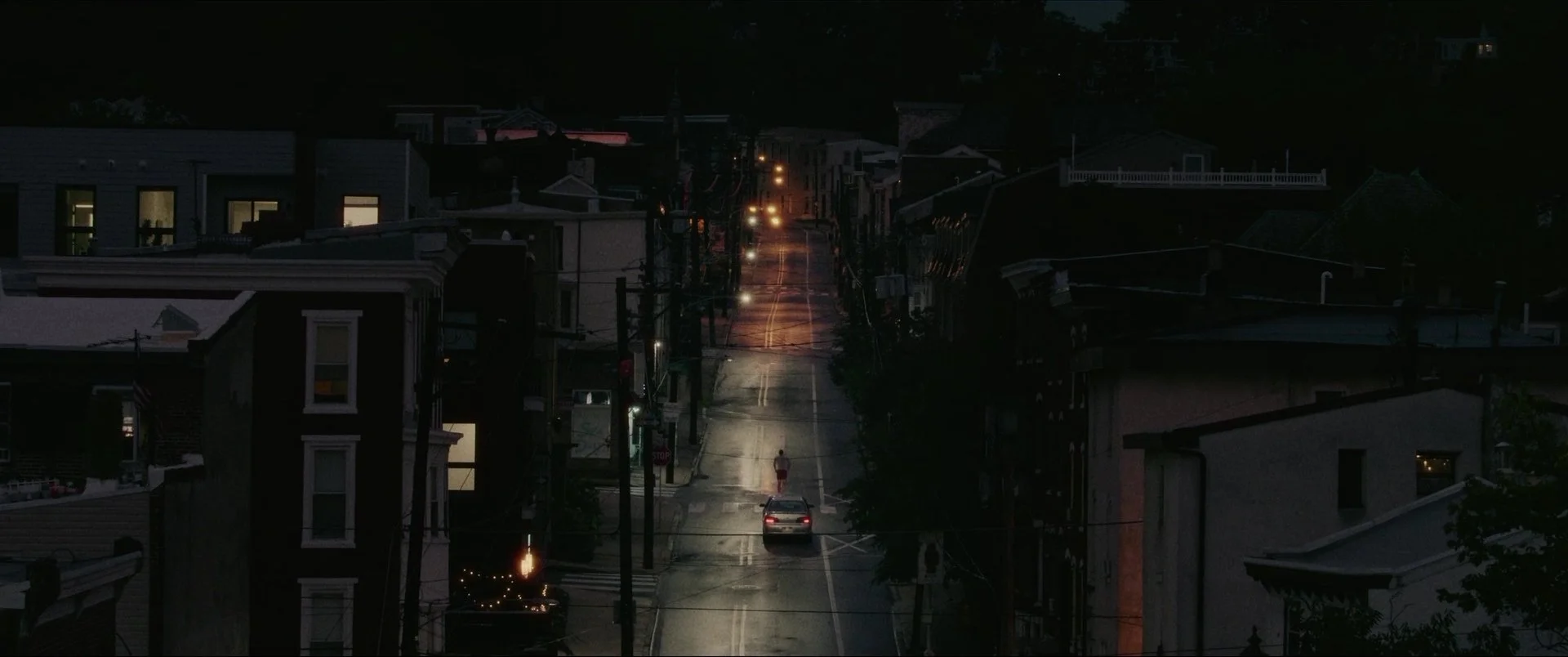
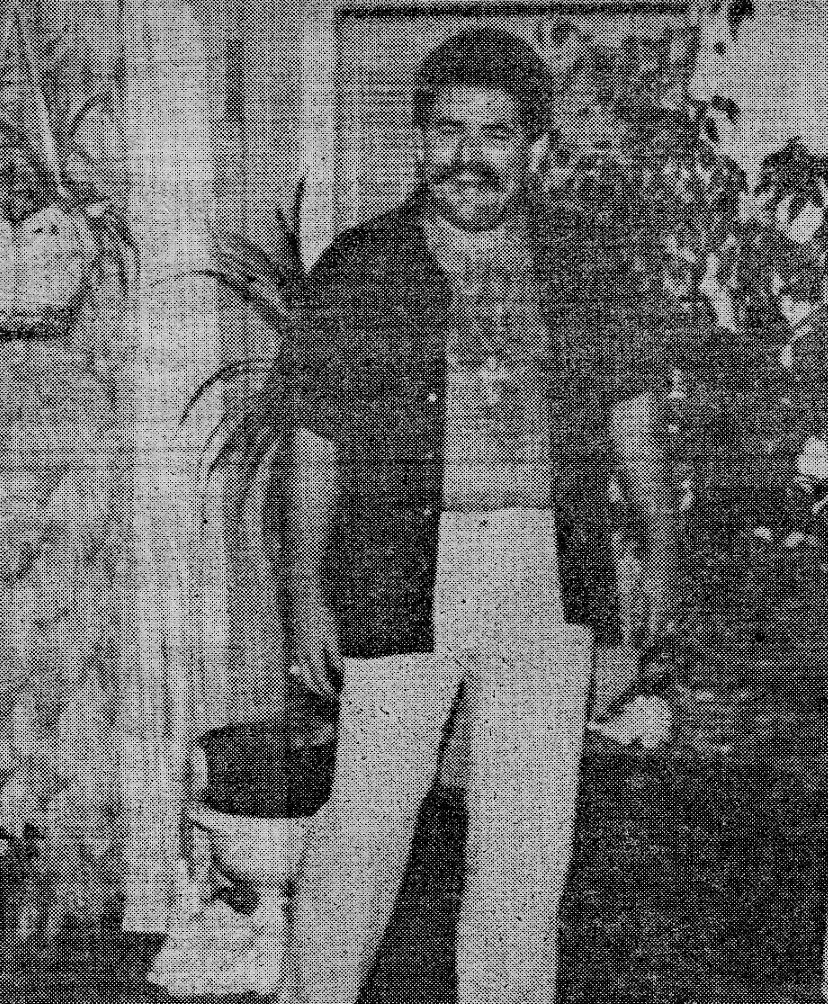
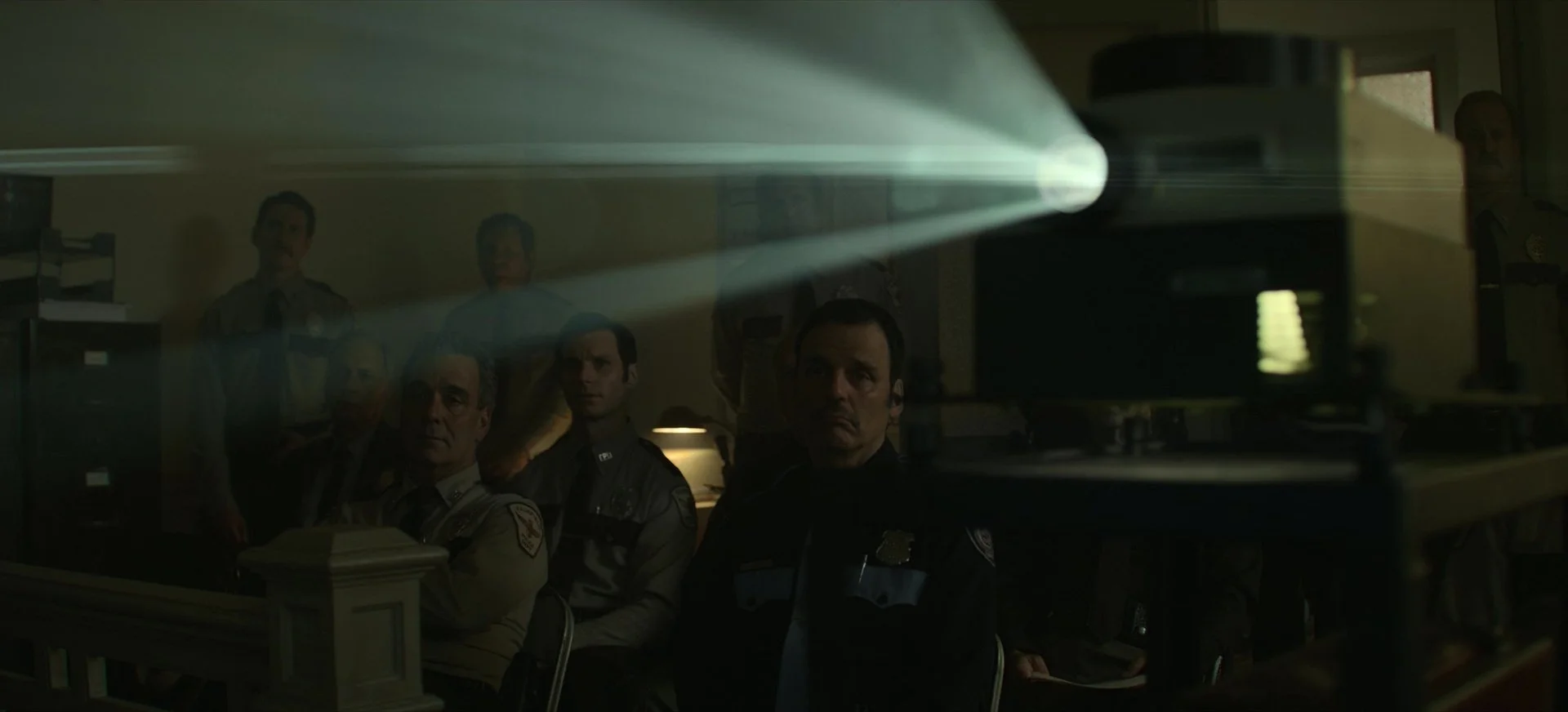


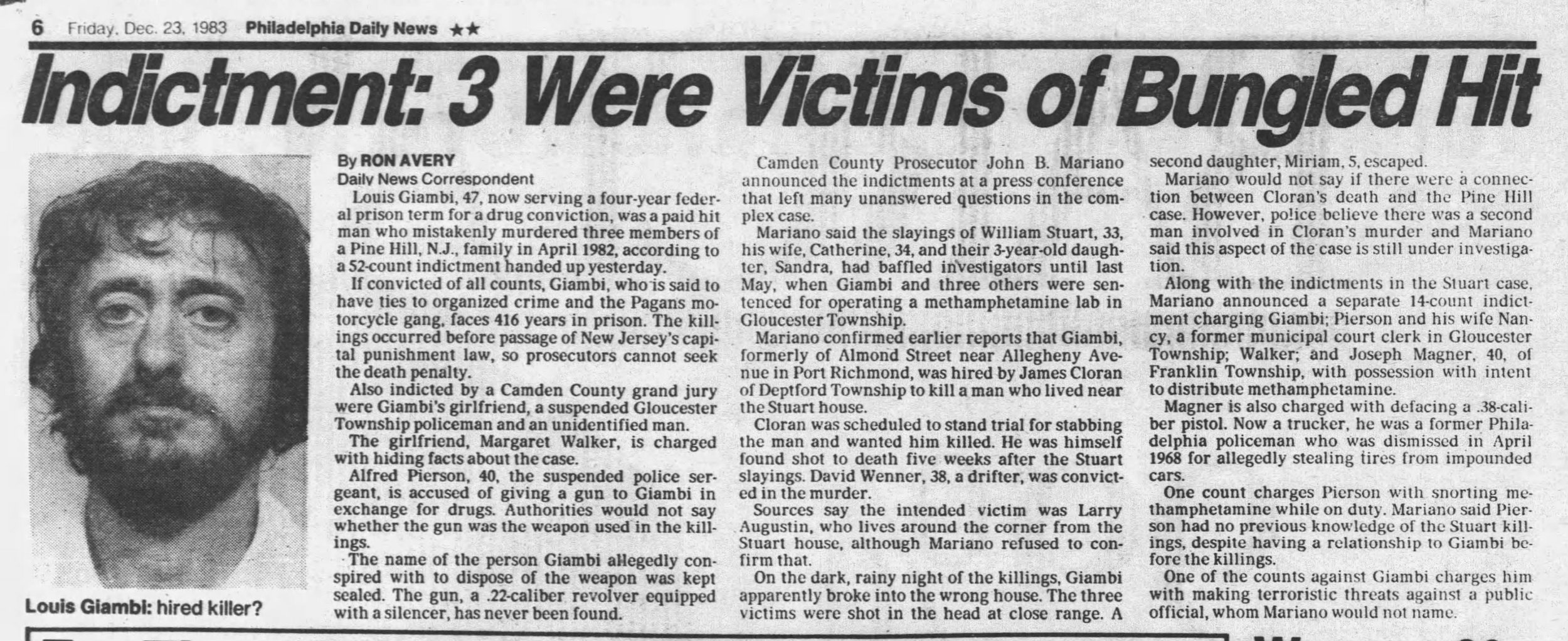
More birds were singing. John “Mutley” DeFrank, the head of the feared Pagans Motorcycle Club wanted to talk. He was facing life in prison for the gun charges and had information he was certain investigators would want to hear. It was about his co-defendant, Louis Giambi.
According to DeFrank, Louis Giambi approached him on three separate occasions to kill someone in Pine Hill, NJ for ten thousand dollars. It was a favor for his meth cooking partner, a gangster named Jay Cloran. Cloran had recently stabbed a man at a rest stop in New Jersey known for gay hookups. The victim survived and was about to testify against Cloran. Giambi wanted DeFrank to kill the victim. Simple as that.
Giambi said he’d tracked down the victim’s address in Pine Hill. Still, DeFrank refused. It wasn’t enough money for him.
DeFrank told Jo Sue that before the big raid at Hickstown Road, he was in the hospital for back surgery. He watched the news reports about the tragic murder of William and Catherine Stuart and their 5-year-old daughter in Pine Hill. DeFrank said that Giambi saw the news and was very upset about the murders. Giambi told DeFrank, “I put out ten fucking thousand dollars and they hit the wrong house.”
Jo Sue contacted the Pine Hill police – they told her that a month after the Stuarts were killed, they followed someone driving Jay Cloran’s car as it was speeding away from his house. The driver tossed a suitcase out its window. The chase ended in a car crash. One of the passengers, David Wenner, hopped out and engaged in a shootout with police. The other passenger took off.
After Wenner was subdued, police found three pistols equipped with silencers in the suitcase. Wenner refused to identify his passenger. When police returned to Jay Cloran’s house they found him dead on the floor, shot 17 times from three different caliber guns. Wenner was eventually convicted of the crime, but prosecutors remain convinced that Giambi was the other shooter and the passenger in Wenner’s car.
Now DeFrank was certain that Giambi killed the Stuarts and he wanted a deal in exchange for his testimony. Jo Sue made DeFrank work for it.
She had DeFrank set up a meeting with Giambi in a motel to talk about DeFrank’s testimony in the Hickstown Road gun case. During the call DeFrank told Giambi he might have “slipped up” and told his girlfriend, Suzanne Carlucci, about Giambi and the Pine Hill murders. Giambi was furious.
The next day Jo Sue fitted DeFrank with a wire and set up in the next room to listen in. DeFrank was sweating – convinced Giambi was going to kill him. With Jo Sue listening in and agents surrounding the motel, DeFrank lied to Giambi, telling him that Carlucci would not talk anymore –that he, DeFrank, killed her that morning.
Giambi told DeFrank that Jay Cloran killed the Stuarts. There was only one thing wrong with that statement – Jay Cloran was already dead before the Stuarts were killed.
DeFrank met with Giambi two more times to gather evidence that would eventually help the case. Giambi was convicted and would eventually die in prison.
Jo Sue talked to DeFrank before he reported to Federal prison. She asked him why he became an informant. He said:
“I have been a bad person my entire life. I have shot people, sold drugs and have a lengthy criminal record. I was a bad dude. As president of the South Jersey Pagans and a Mother Club Member I made one rule. You don’t hurt a kid. Louie (Giambi) did that. The kid was killed. I’m a grandfather. He never should have killed the kid, that’s why I did it.”
Life for Jo Sue Kaufman would never be the same after the McCullough and Pine Hill murder cases. She was awarded several citations for her service and her reputation as one of the ATF’s rising stars only grew. But her boss, Donald Cox, could not see to it to give her credit.
The murder case was over. I went back to my office to find another memo from the Special Agent in Charge. He was again telling me that I was an unproductive agent and had not added to the productivity of the office by making firearm cases. This was not true. He was trying to build a case against me. I was pissed.
She’d had enough. But word of her work was spreading throughout the ATF.
EPISODE FOUR
THE HARDER THEY FALL
(1985-1993)

We open with a macabre recreation of Jo Sue walking through a dilapidated farm. Loaded rifles are hanging from trees, anti-tank grenades are scattered on the ground, a loaded assault rifle is tucked on the side of a baby crib mattress. Jo Sue pokes her head in a shack and it’s littered with IEDS, blasting caps, machine guns and automatic rifles.
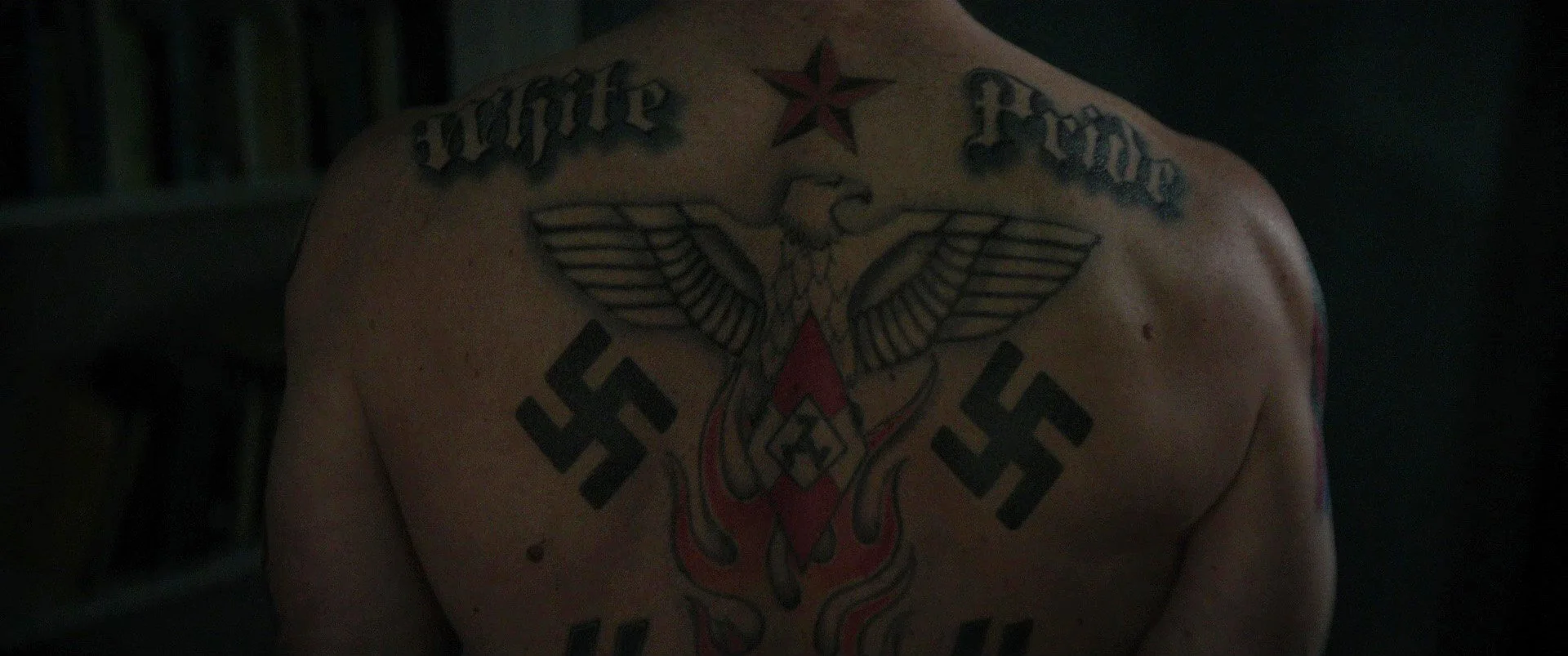
It’s April 20th (Hitler’s birthday) 1985. Jo Sue Kaufman has been dispatched to a rural militia training compound in Arkansas during a standoff with a Neo-Nazi group known as The Covenant Sword Arm of the Lord (CSA). Members of the group have just murdered a Missouri Highway Patrolman and escaped to their rural compound across the border in Arkansas. This is their “Ark for God’s People for the coming race war.”
Eighty-five people -- half of them children – are inside and they are prepared to die to “return the country to Jesus Christ.” Eighty officers, including dozens of ATF officers are waiting for orders to storm the compound.
As negotiations are taking place Jo Sue and other ATF officers infiltrate the compound’s out buildings. Jo Sue spies a plastic basket filled with folded clothes in the corner of the room. She grabs some of the folded clothing off the top and is suddenly staring down the barrel of a semi-automatic pistol pointed at the middle of her chest. It was booby-trapped. The hammer is cocked.
“I felt my blood drop to my feet and my only thought was, “I’m dead.”
She defuses the trap. Fortunately, the leaders of the group give up the shooter and the stand-off comes to an end. Agents recovered stolen vehicles, 155 Krugerrands, $800 in U.S. currency, a rocket for a light anti-tank weapon, 94 long guns, 30 handguns, 35 machine guns and sawed off shotguns, a heavy machine gun, two land mines, 25 improvised booby traps, 40 makeshift grenades, blasting caps, detonation cord, dynamite sticks, blocks of C-4 explosives, flares, smoke grenades, and “several hundred thousand rounds” of ammunition.”
This was 8 years before Waco, 10 years before the Oklahoma City bombing. A new kind of violence was spreading in America.
For Jo Sue these were heady times. She was called out on cases throughout the country. Always had a bag packed. Her life was given over to the agency. She was a lifer. A lone wolf.
How could she tell her father that his daughter is going out to buy a gun from a convicted felon? How many vacations were ruined with a phone call from the office? How many times did her date ask her “do you have a gun? Can you show me?” Will she ever get married, have a family, be a friend when her friends need it most?
Routines kept her going. Every day she woke up at 5:45am, hit the floor for 100 sit-ups. Then she was out the door with her dog and jogging for 45 minutes. Then 25 “men’s pushups,” shower, breakfast and at her desk at 8:45am. Working late was normal – grabbing a drink with fellow officers became a habit. Home by midnight and do it again the next day.
I was living my dream of being in law enforcement, what other generations of women had fought and sacrificed for me to be able to do. I was going to continue to do my best to take the next ‘step’ for them and the generation of women who would come after me. This was my ‘time’ and I was going to make the most of it.
She was a great street agent. She learned how to run major cases. She confiscated hundreds of guns. She stood down the Pagans – solved a high-profile murder and put bloodthirsty mobsters behind bars. People at the ATF took notice.
So, in 1987, when the job of Group Supervisor for the New York Drug Task Force opened she applied, interviewed and got it. It was another milestone for her and women in law enforcement. She was 34.
That night, as I lay in bed trying to get to sleep the palms of my hands were sweating, the reality of what had happened to me that day of being named as a group supervisor in New York City was sinking in. “What have I done to myself?
Jo Sue Kaufman reported for work at the World Trade Center in Manhattan. She looked out over a room full of men – most of them lifetime New Yorkers. She told them she wanted them to think of themselves as “a family.’ They stared back at her. Dead silence. It was a room full of misfits. They had made no original cases and had done virtually nothing in years.
She did have one friend in the office – Pat Hynes – the old longhaired agent from Asbury Park who gave Jo Sue her first undercover job. Hynes was now the assistant Special Agent in charge. All he could say was “You have a tough job ahead of you.”
CONTINUES
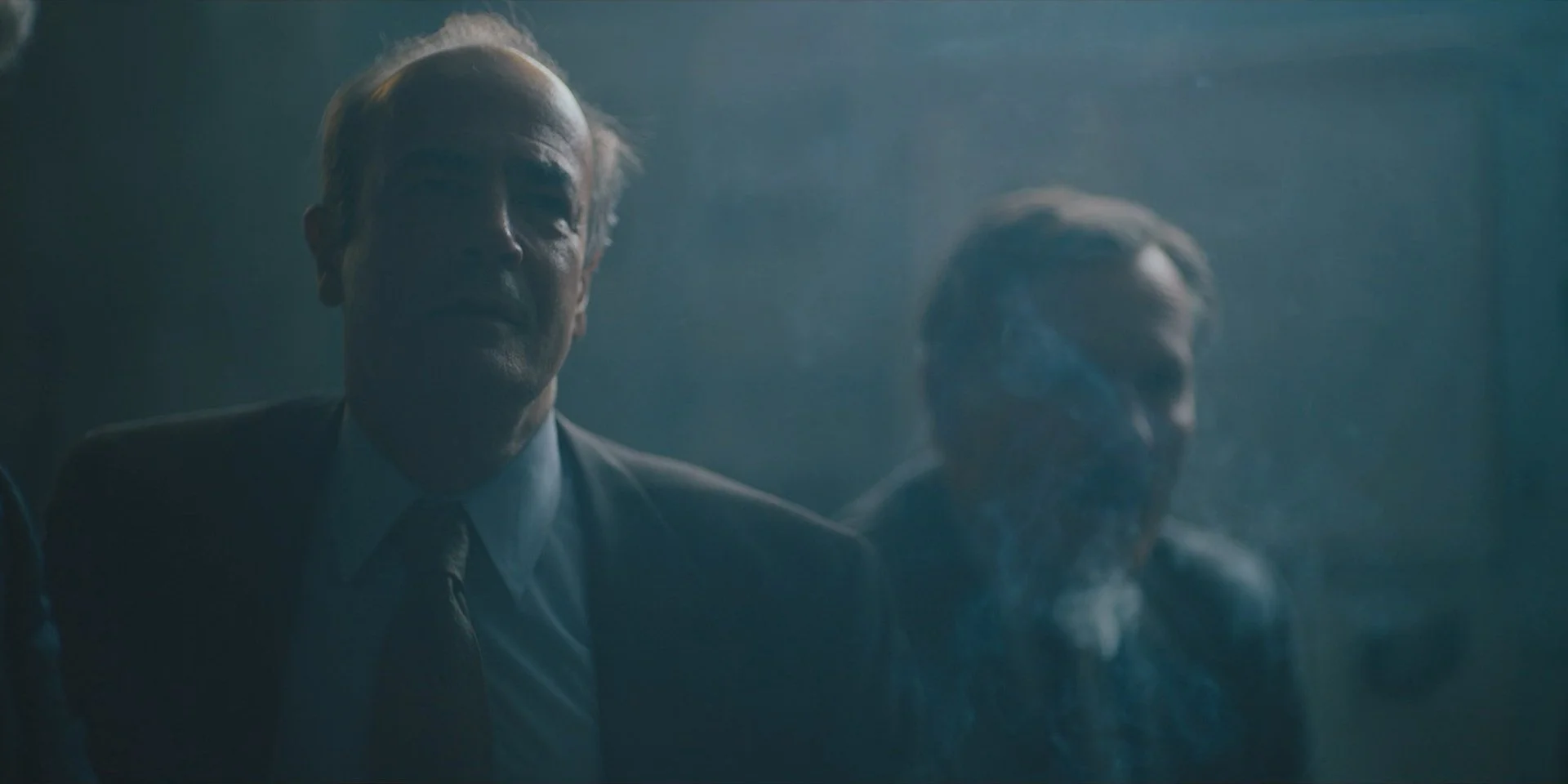
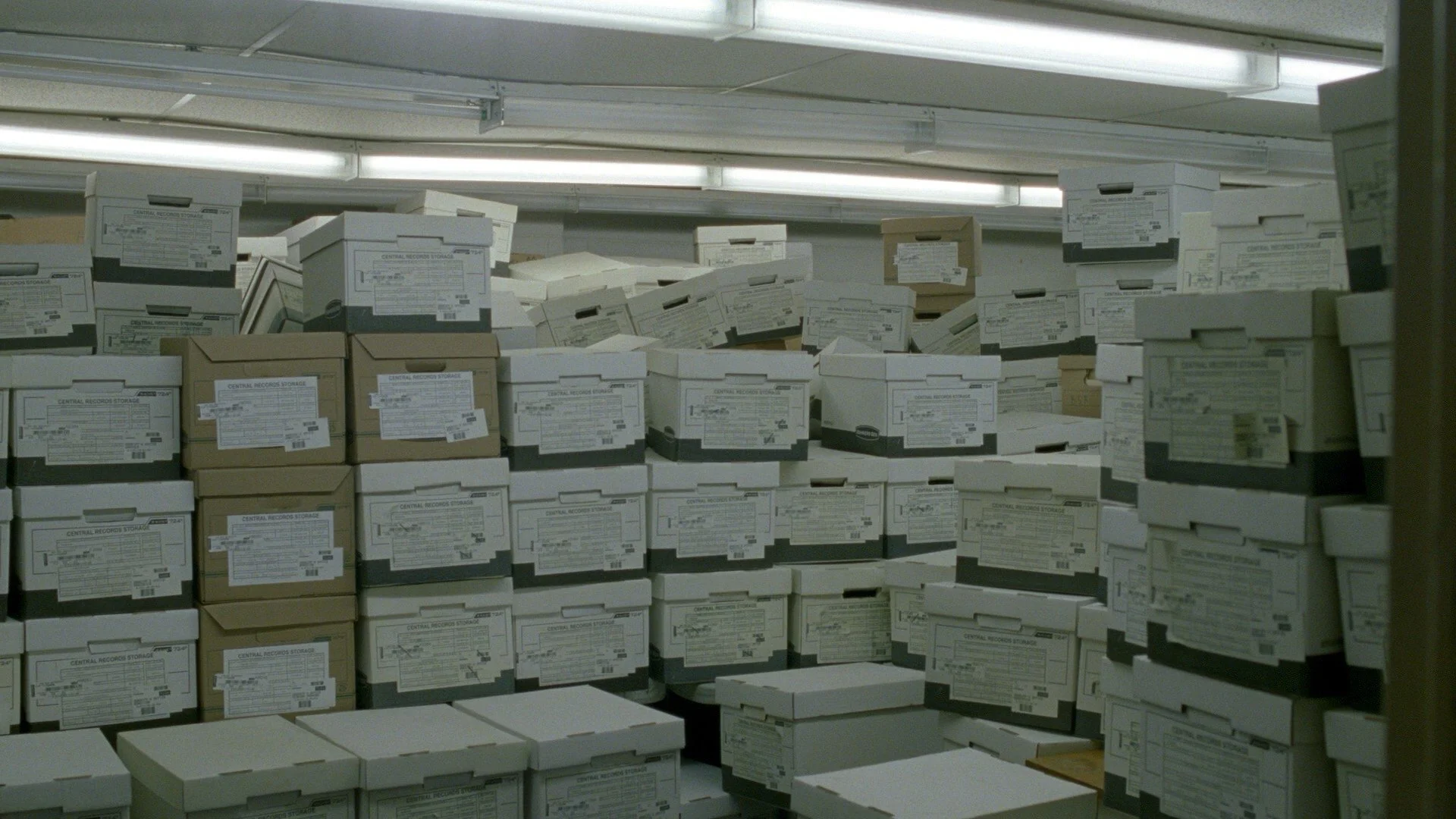
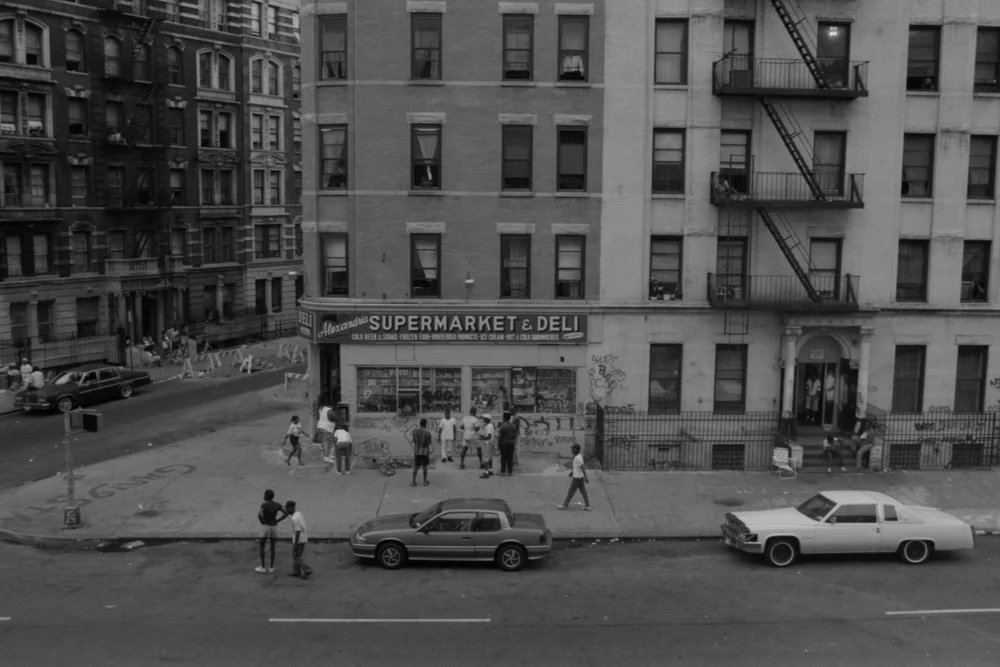
The New York that Jo Sue encountered in the 1980s was awash in crack cocaine and extreme gang violence. Nowhere was this more apparent than in Sugar Hill in upper Manhattan. In 1987, 26% of households in Sugar Hill lived below the poverty line. Now, established Hispanic gangs in Sugar Hill were warring with a powerful group that had recently arrived in the Bronx: Jamaican posses, who were bringing in drugs from the island and sending back guns and money.
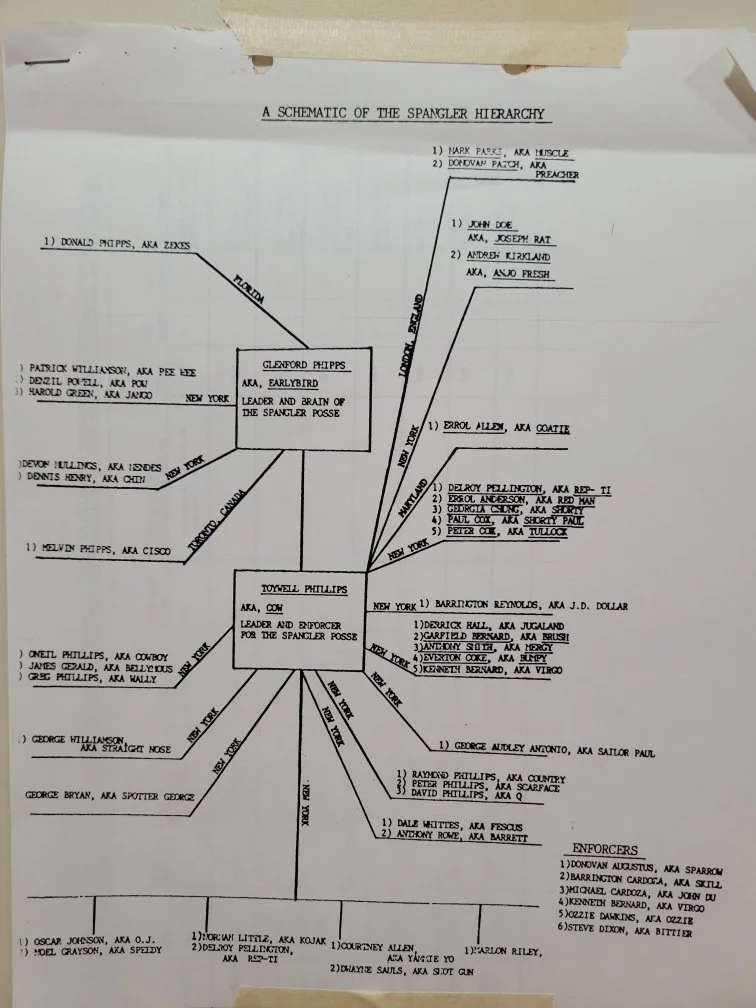
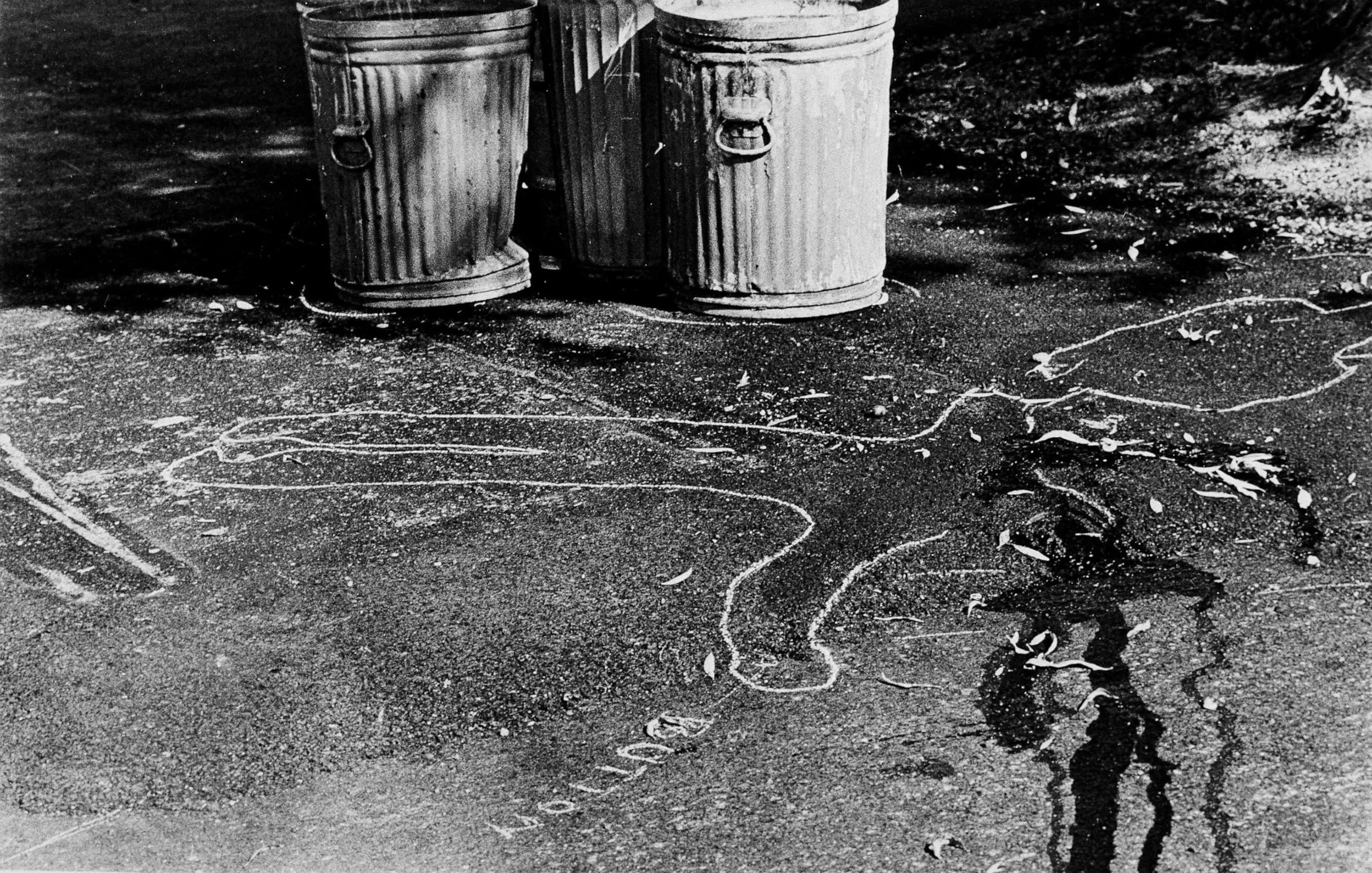
The Spangler posse made Sugar Hill home. They quickly became known for brazen street attacks, intimidation, kidnapping, torture and murder. “The place is like Vietnam, with all the shooting,” said one NYPD officer. “They’ll shoot cops, they’ll shoot each other, and they’ll shoot innocent bystanders. They scare the hell out of us.”
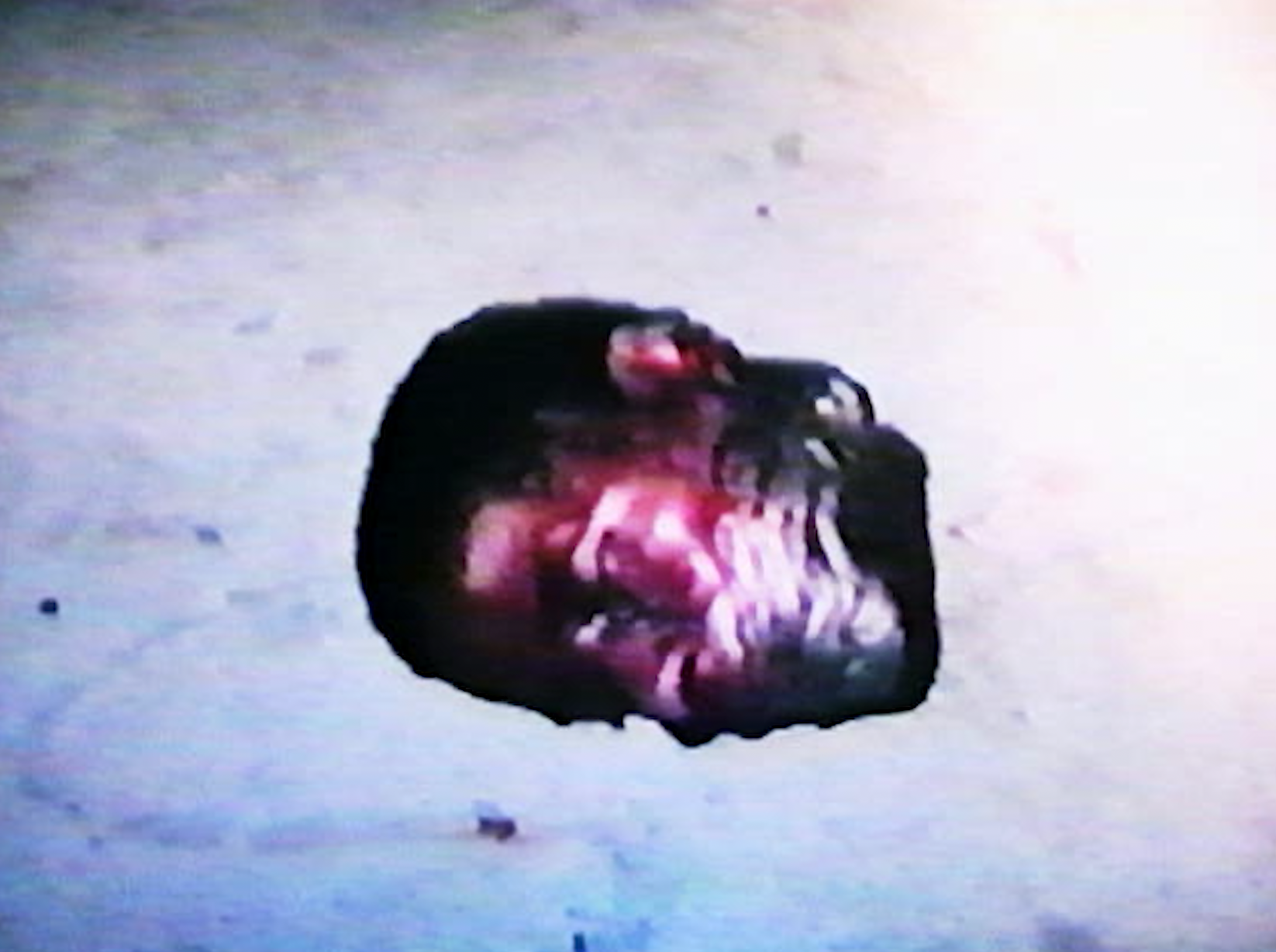
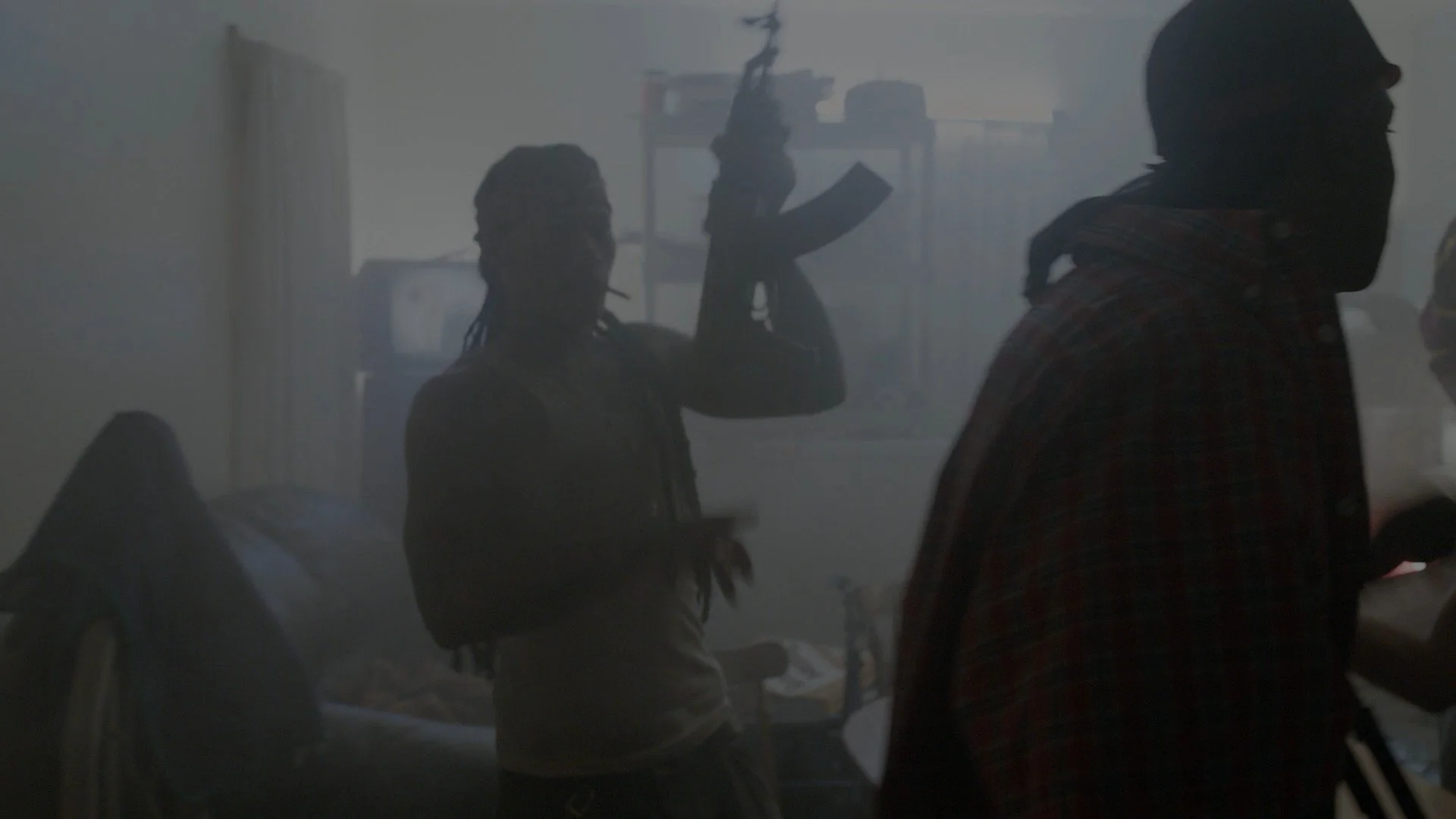
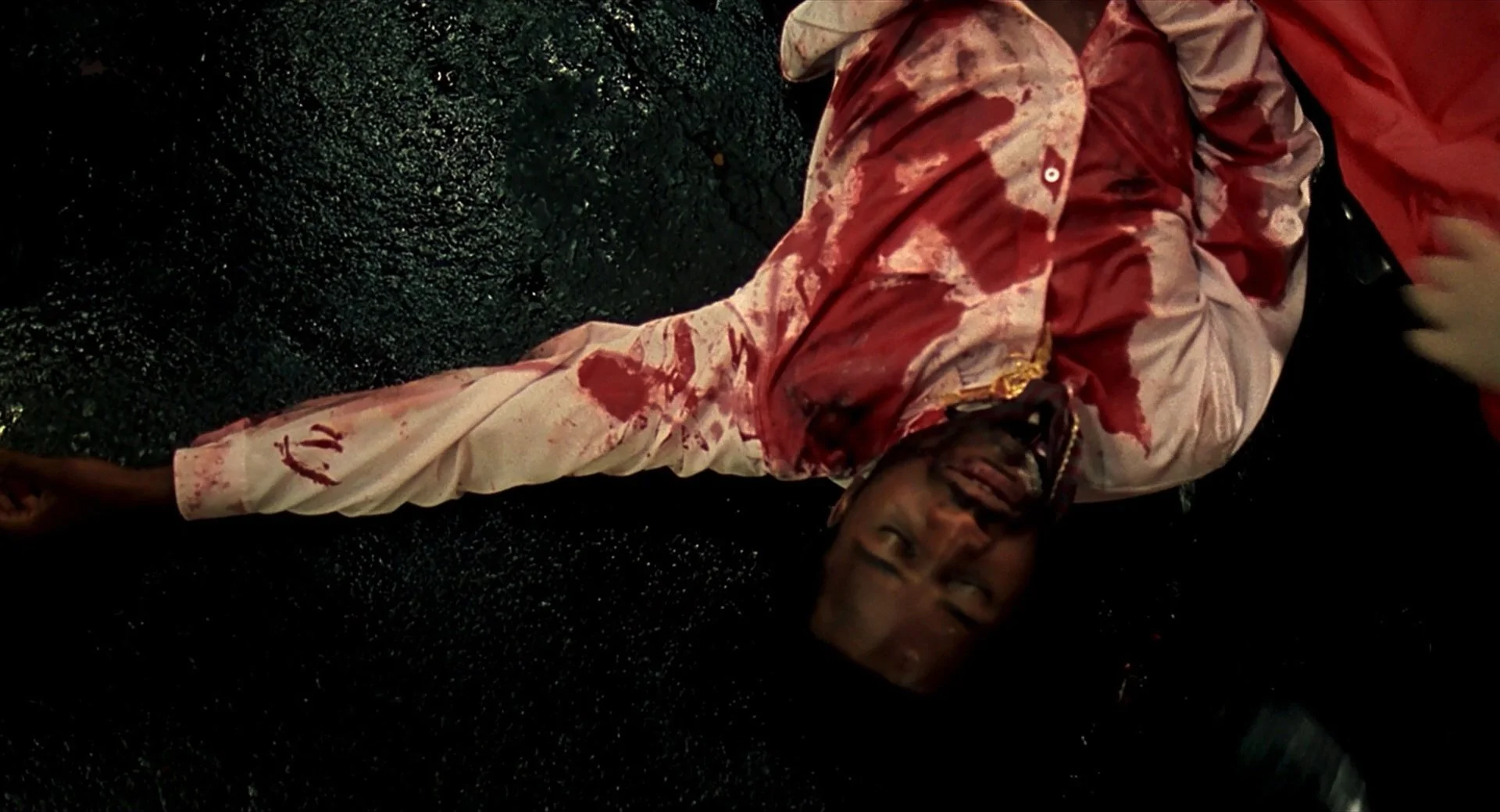
Jo Sue saw this firsthand in 1988 on one of her early surveillance rides through the block. Reports had come in that a druggie spied two vials of crack on a table on his way out of a buy from a Spangler building. He swiped them. They were worth $20. But the druggie was spotted. On the way out someone hit him in the head from behind. Posse members carried him into a bathroom, duct-taped his mouth, tied his hands and put him in the bathtub. The Spanglers decapitated and dismembered him and put his body parts in plastic bags. They tossed the bags to the curb.
An NYPD officer saw a street person rummaging through the garbage bags. He reaches in, looks around, then pulls a head out of the bag by the hair. He drops it and then starts kicking it down the block like a soccer ball. Cops bring the street person in for questioning. He doesn’t know anything. He’s released and the Spanglers abduct him and kneecap him in both legs.
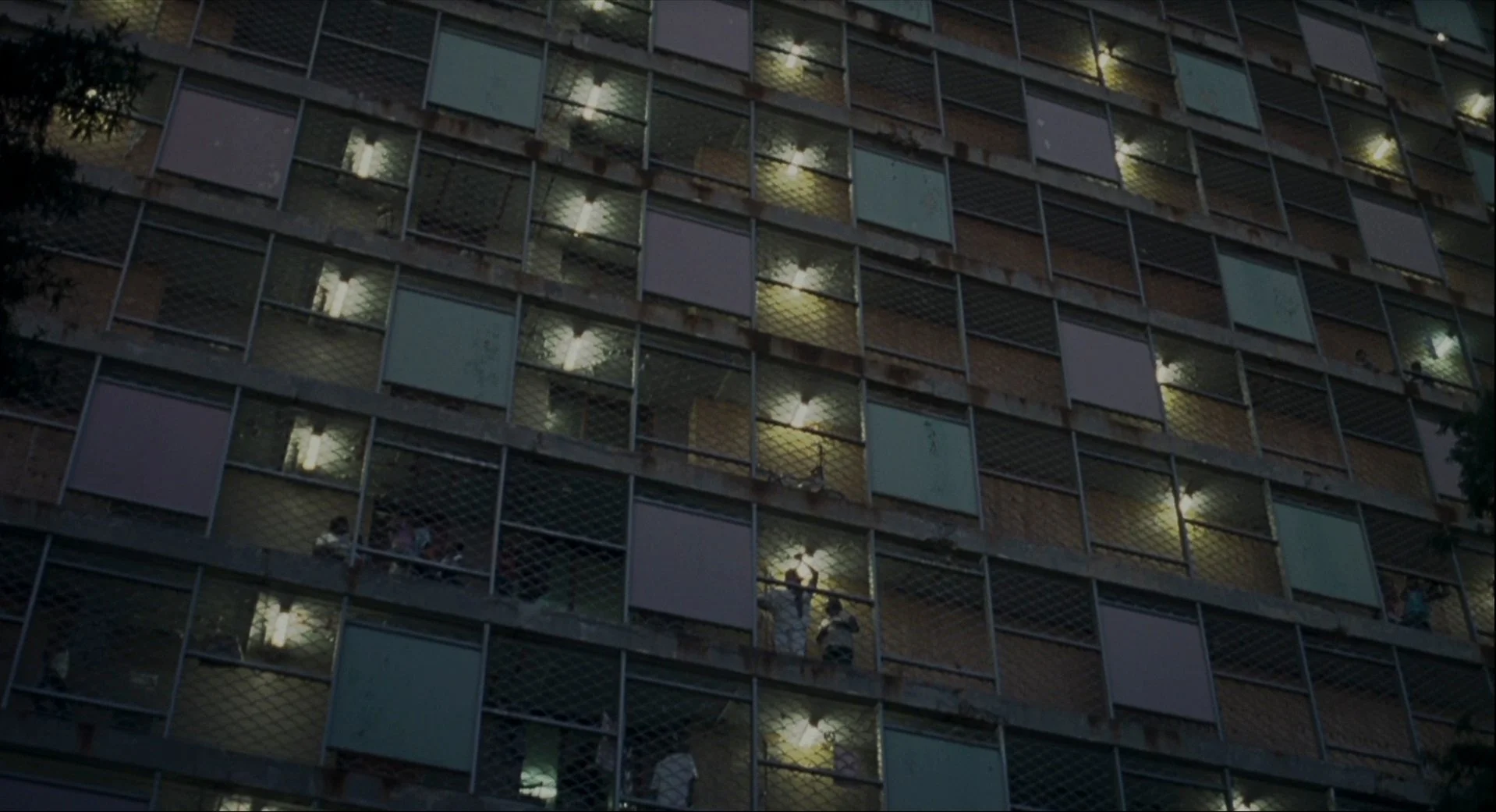
Ground zero for the Spanglers was 145th Street and Edgecombe Avenue in Sugar Hill – the block with the highest murder rate in the state. Jo Sue focused her seven-month long investigation on building a case against posse leaders Glenford “Early Bird” Phipps and Toywell “Cow” Phillips. ATF intelligence put the number of bodies attributed to the Spanglers in New York at 500 since 1980.
Jo Sue assembled an operation unlike anything ever seen in Manhattan. She called it Operation Wally World. She built and managed a huge task force combining the ATF, DEA, NYPD and the Manhattan District Attorney’s office. She established a photo file with 500 known and suspected Spangler gang members which she cross referenced with criminal histories – photographed the entire block and put it up in a war room for everyone to memorize.
She had the agents monitoring telephone calls, working wiretaps, planted still and video cameras and interviewed and turned suspects into informants.
In addition to this blanket coverage Jo Sue planted a Jamaican-born informer inside the Spangler headquarters to make drug and gun buys from suspects who were linked to homicides.
I participated in over 95% of our street operations. I wanted to take responsibility if anything went wrong.
Jo Sue’s team worked methodically. They made over 30 undercover purchases of guns and drugs – most from posse members who were linked to approximately 60 homicides. Jo Sue’s team rounded up 40 suspects on Federal and state charges ranging from murder and assorted gun charges. Seven were convicted in State Court on murder and other charges and were sentenced to life terms.
But the big fish got away. Glenford “Easy Bird” and Toywell “Cow” Phillips fled the country before they could be arrested. Their fate was soon to come. Phipps was murdered in Kingston two years later. A few months after that Toywell Phillips was gunned down.
As for Edgecombe Ave. and 145th Street -- after a six-month period the homicide rate was almost non-existent and the narcotics trafficking and firearms use had come to a noticeable halt. Her former band of misfits was now a team of dedicated officers who respected her command.
One month later Jo Sue was finally enjoying a peaceful Thanksgiving dinner in rural upstate New York. They were sitting around the table when she heard a shotgun being fired on her brother’s property.
The sound of the shotgun set me off. I was angry; I took my brother’s old shotgun, grabbed some ammunition, walked out of the house and started down the hill towards the woods. About 50 feet from the house I stopped. What was I doing? What was I going out there to do? I unloaded the gun, turned around and went back to the house.
The killings, the violence and the anger that I had suppressed were starting to ‘poke’ through. In the house my family members just looked at me. I put the shotgun away and continued with the family as if nothing had happened. I had no idea where that sudden outburst of rage had come from. In fact, it was the beginning of me starting to show the symptoms of all the trauma I had experienced.
EPISODE FIVE
THE GIRL IN THE IRON PIPELINE
(1993-1999)

“Don’t worry. I got this gun.”
That’s what Edward “Easy” Bracy told his gangster friends when rookie Patrolman Daniel Boyle pulled his car over. Within seconds Easy popped the door, ran and jumped on the patrol car’s hood. “Don’t go for your fucking gun,” said Easy. Boyle put the car in reverse and Easy squeezed the trigger of his .9mm and fired eight shots – one slug entered Boyle’s right temple.
It's 1991. Jo Sue Kaufman had just taken the top spot on a new federal task force in Philadelphia called Project Achilles. Boyle’s murder in a city with 444 killings a year was shocking and surprising. Not surprising was the fact that Easy’s .9 mm was illegal – sold to him by a gun supplier named Ruben Floyd.
Floyd was Philadelphia’s most prolific gun trafficker. Once a month the ex-football star would head back to his hometown of Canton, Ohio, pull up to the Loading Bench sports store and pack his trunk with high-powered semi-automatics. “He’d wipe out my stock,” said the store manager. And then he’d drive the guns back to North Philadelphia and peddle the guns to crack dealers and gang bangers. $250 for a .9mm handgun, $500 for a Tec-9
"He was a mercenary," said one of Jo Sue’s colleagues. He encouraged black dealers to arm themselves against rival Hispanic gangs. Then he turned around and sold guns to the Hispanics. "You got one of the worst dope-dealing neighborhoods in the city there. Anybody can get you the dope, but who can get you the guns?"
Jo Sue sent agents to Ohio who witnessed Floyd buying guns and transporting them back to Philadelphia. "When we arrested him (and 11 others) there was a crowd of people standing around his house . . . and they all applauded," Jo Sue told a reporter. Asked how he felt about all the homicides the guns caused, Floyd replied: "Once I sell them, that's not my problem," the agent said. He returned to Canton. In 2023 he was shot seven times during a dispute over a drug deal. He was unarmed.
In Philadelphia, Jo Sue is at the top of her profession; a respected leader who can draw on a vast array experiences. She earned the respect of her colleagues and had spent 13 hard years fighting violent street crime. But it was really starting to wear on her. She started to drink more. Sometimes her legs would grow shaky. She didn’t know what was happening to her.
But the work kept on pouring in. Sometimes it started with a single incident discovered by another agency. In 1992, during a routine drug raid the Narcotics squad of the Philadelphia PD discovered a bomb attached to a washing machine that stored a stash of crack vials. What they also discovered was the house was home to a gang that had lain dormant for years.
CONTINUES
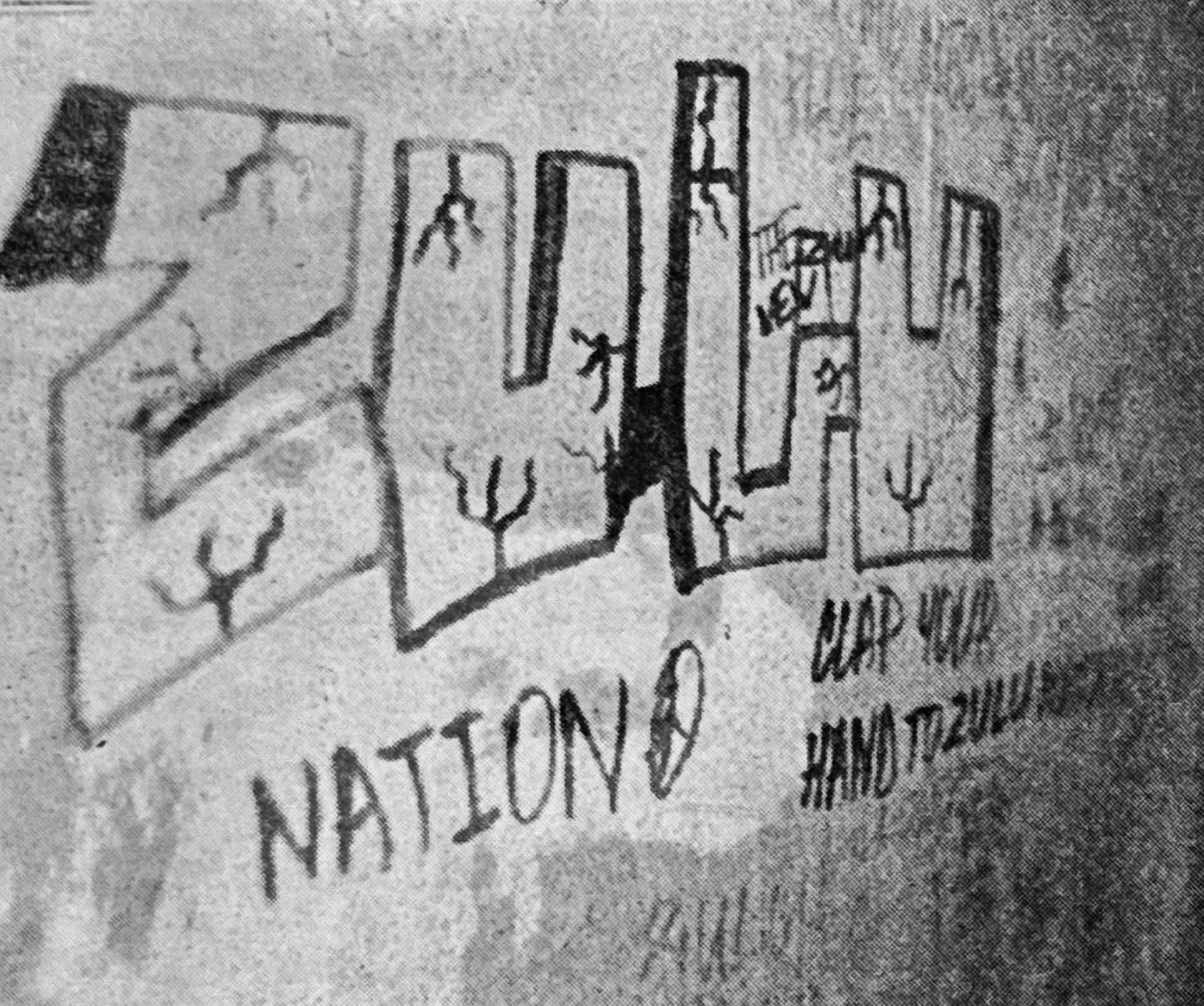
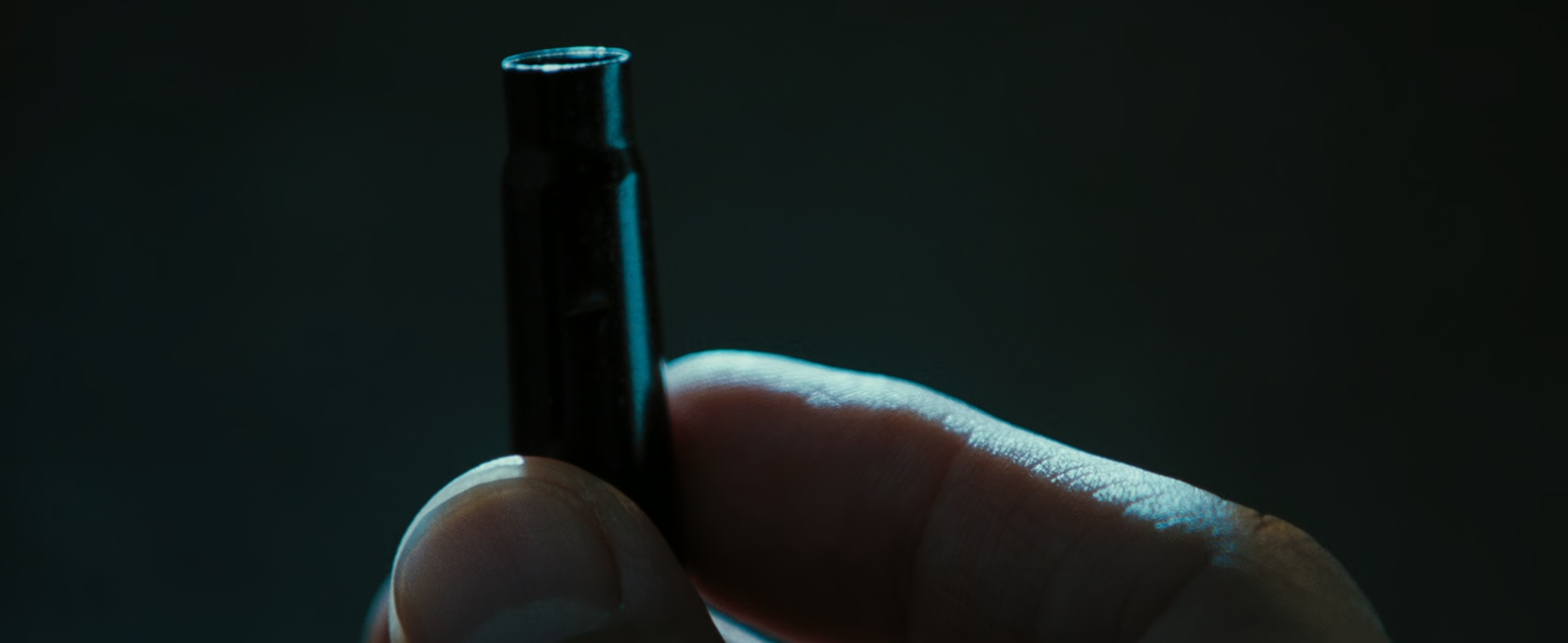
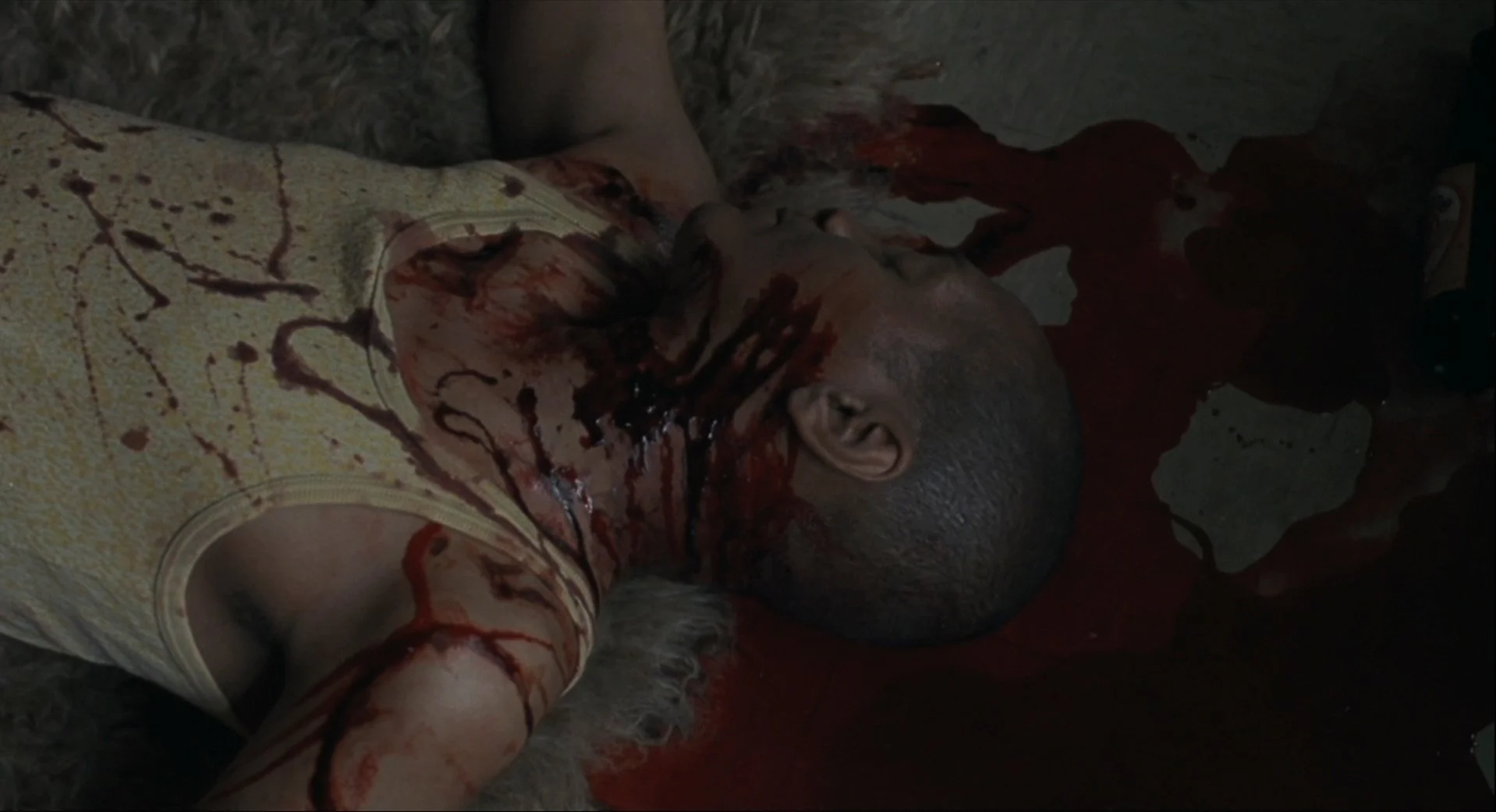
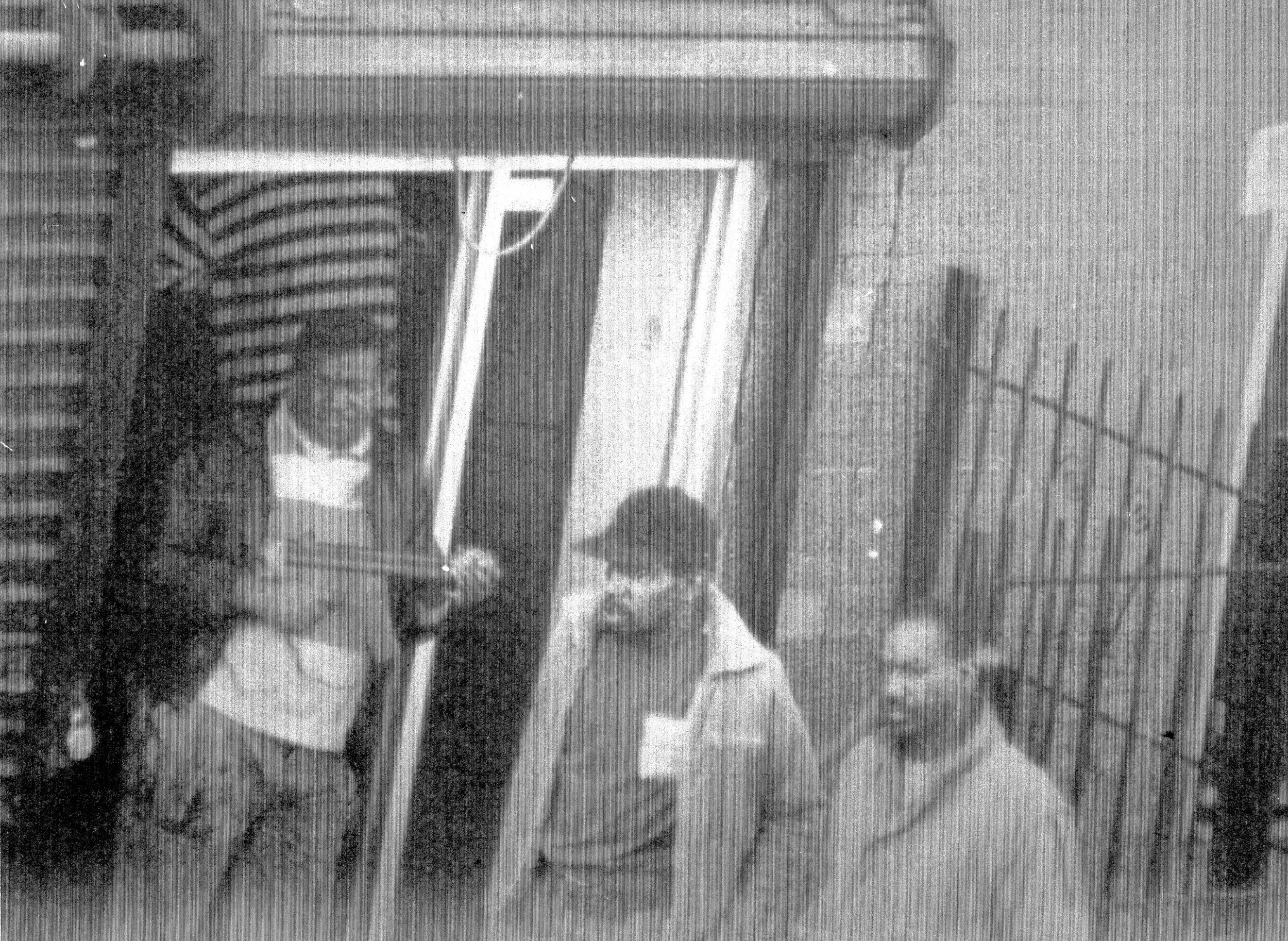
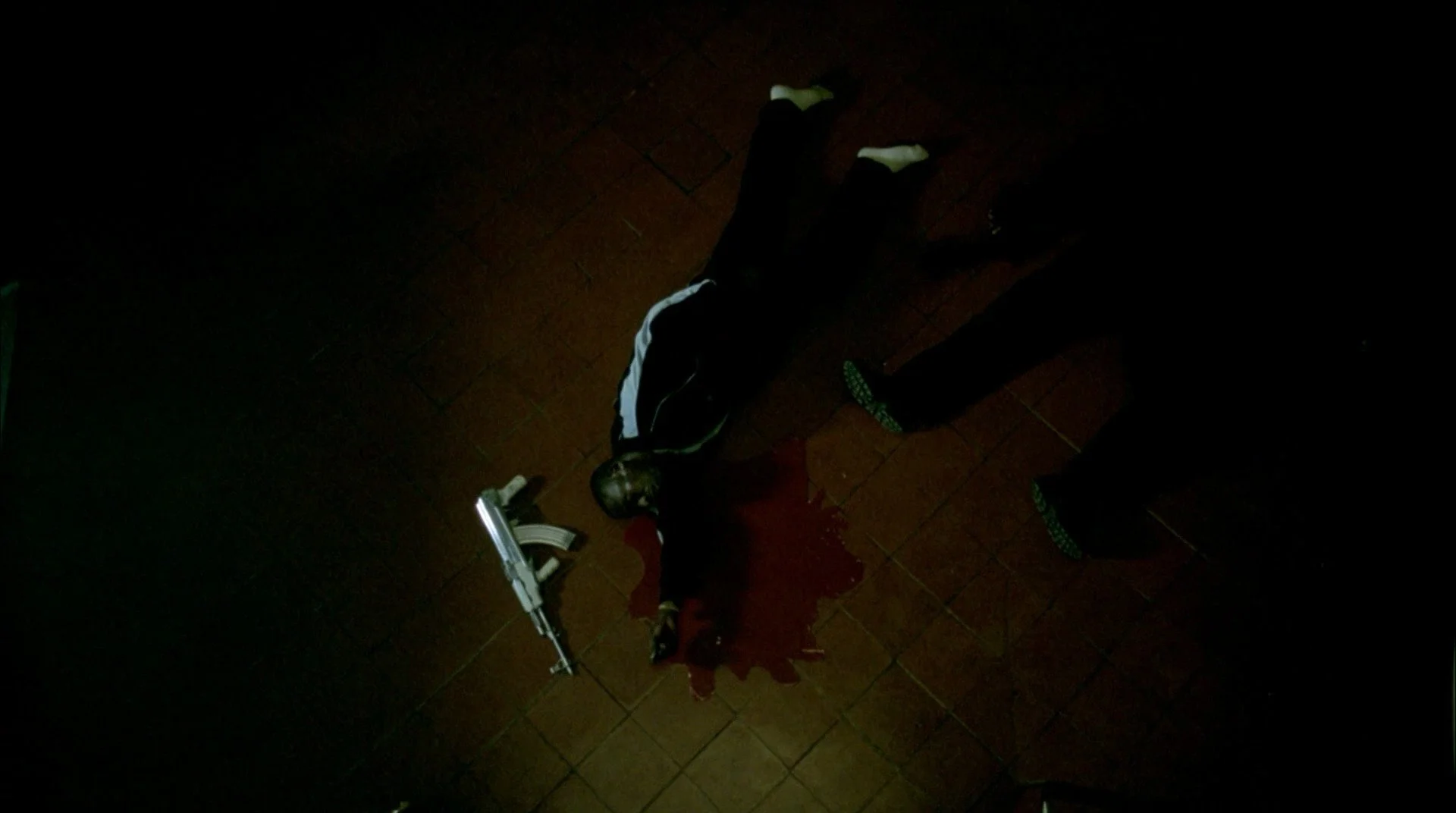

They called themselves the New Zulu Nation. Its leader, Cleo “Omar” James, remembered better days for the Zulu Nation. He was imprisoned for a murder he committed when he was 15. Now he was back on the street and he could not believe what he was seeing. Dominican gangs had moved in on the old Zulu Nation turf. He was determined to take those corners – with drive-by shootings, murder, extortion.
Graffiti in the neighborhood said it all -- “Zulu Nation is Back.” There was a new order. All New Zulu dealers had to work eight-hour shifts – had to pay a $2,000 street tax. Two women refused to pay – they were shot. Cookers and baggers worked away in 11 Zulu row houses. “Zulu guys were crazy,” said one rival gang leader. “Crazy gets you respect on the streets.”
One member of the task force, Darrell O’Connor, was able to infiltrate the New Zulu’s and came back with disturbing reports of the gang’s power and influence on the streets. Jo Sue’s team identified 37 members, and its wires recorded over 200 conversations.
The investigation would drag on for 6 months and the pressure of 12-14 hour days started to finally break down on Jo Sue.
One day as I went to walk down a flight of stairs in the office I knew my legs were not going to hold me up, they were shaking. Sometimes after a street activity, when I was driving home I would start to cry. I did not understand why.
I thought of my friends who were killed. I could not close my eyes without a vivid visualization of the side of my head being blown open from a gunshot. My dark, thick, red blood and brain matter was laying on the ground next to my head. I had to place my hands on both sides of my head in order to assure myself that my head was whole before I could go to sleep. I tried to just ‘suck’ it up and continue to move on. No one could see the mental struggle I was in.
On December 2, 1993 it was time for a massive raid. A federal indictment named 20 suspects with 88-counts and two heavily armed teams were suited up and ready to storm the Zulu headquarters on North Fairhill Street. Suddenly it was on. Jo Sue can be seen unholstering her gun and following an armed squad of officers into the house. They arrested 18 members, including Cleo “Omar” James.
For Jo Sue, what should have been a triumphant day only led to a crisis.
I knew perfectly well how to deal with the violence, including the murders of friends on the job; having loaded guns pointed at me. But now I did not know how to deal with what had become of ‘me’, the person.
I could no longer stand the hurt and the pain.. I wanted to kill it.
I calmly placed the muzzle of the gun firmly against my temple. My right index finger was curled around the trigger. There was a bullet in the chamber of the gun, I just needed to pull the trigger.
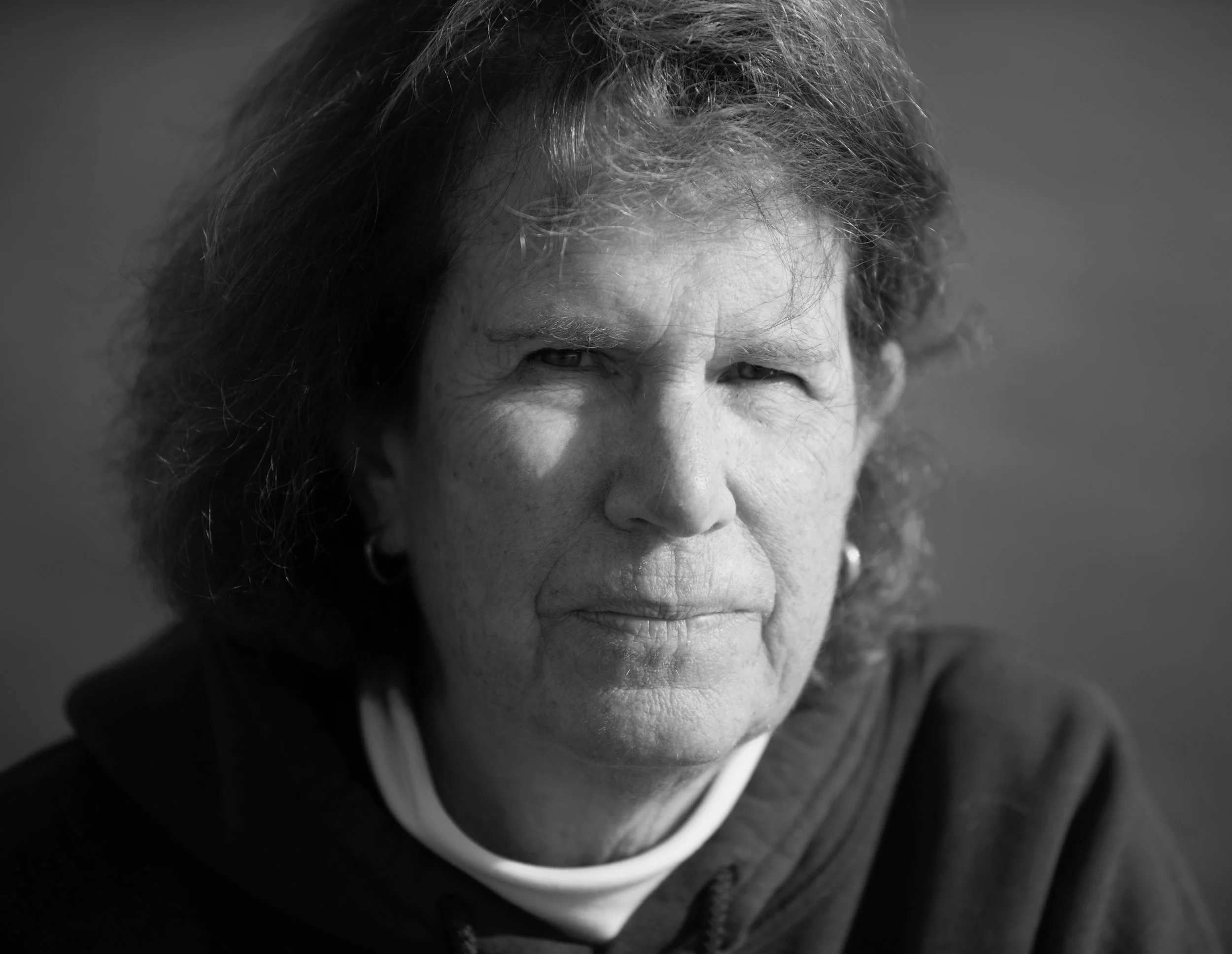
I thought back on the years that it took me to arrive at that moment with my gun to my head. It brought mixed emotions. I thought of all that I had been through. All that I had succeeded.
I put the gun down.
I went for professional help.
The job did not physically kill me, but it took my life.
When asked if I would do it again, I say, “Yes, in a heartbeat.”